
RELATIONSHIP
The True Cost of a Long-Distance Relationship and How to Manage Expenses
The True Cost of a Long-Distance Relationship and How to Manage Expenses
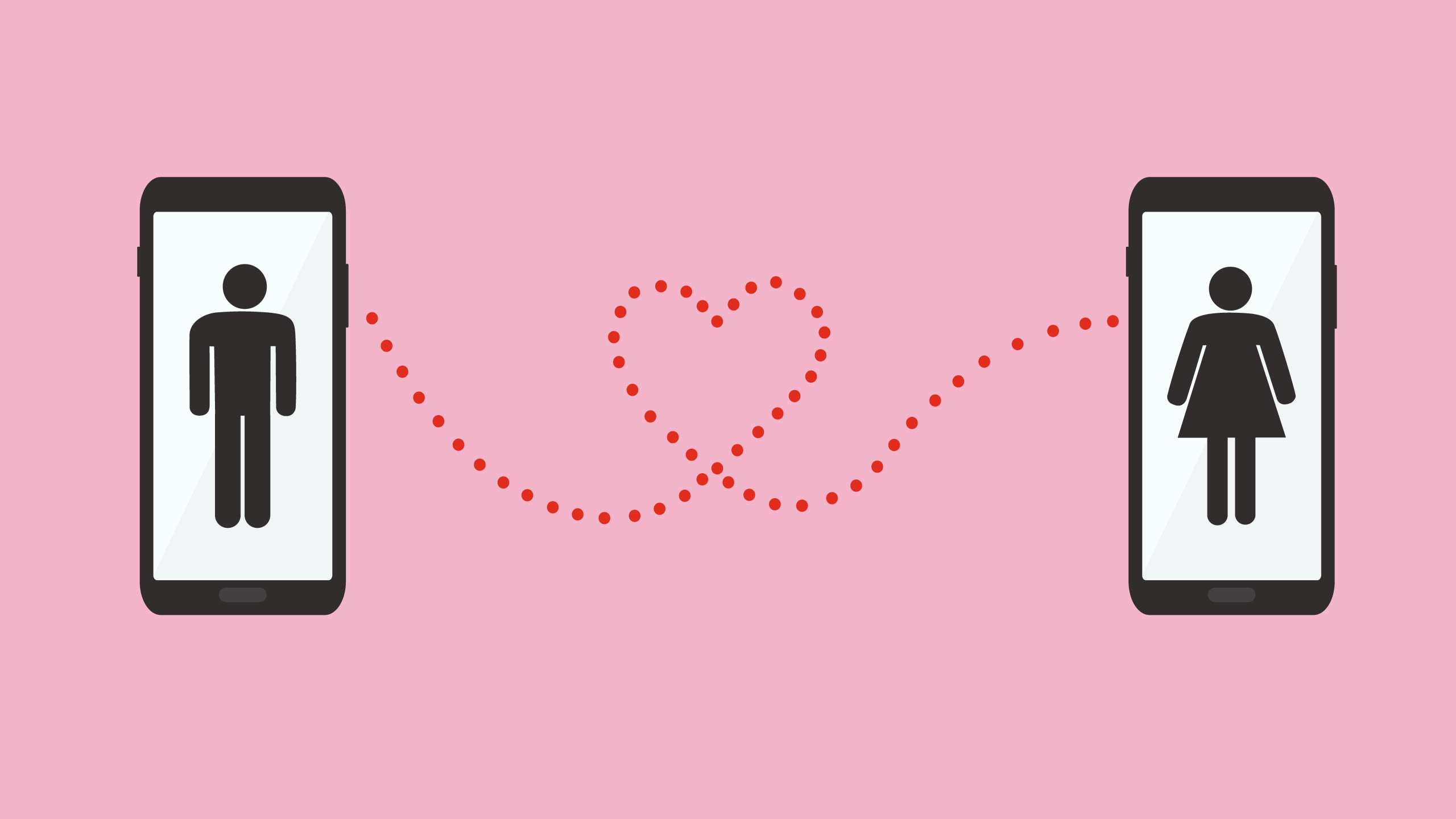
At first, long-distance love feels like a test of loyalty and patience. Over time, it quietly becomes a test of financial endurance too. What starts as occasional travel and daily calls can evolve into a steady stream of expenses that many couples don’t fully anticipate.
From Lagos to Accra, Abuja to the UK, or even within different states in Nigeria, the financial weight of maintaining connection across distance adds up faster than expected. Some couples handle it well. Others begin to feel the strain—not because of lack of love, but because money pressure starts creeping into the relationship.
1. Travel Expenses Add Up Faster Than Expected
Transport is often the biggest cost in any long-distance relationship. Flights, interstate buses, fuel, and ride-hailing services can quickly consume a large portion of your income.
Frequent visits might feel necessary to maintain closeness, but without limits, they can become financially overwhelming. A round-trip flight between Lagos and Abuja, booked last minute, can cost far more than planned, especially during peak seasons.
A couple who initially planned monthly visits reduced their frequency to once every two months after realizing they were spending nearly half their income on travel alone. Adjusting expectations didn’t weaken their relationship—it made it sustainable.
2. Communication Costs Are Easy to Overlook
Calls, video chats, and messaging subscriptions seem small individually, but they accumulate over time. Constant connectivity often leads to higher data usage, especially when video calls become a daily routine.
Switching to more affordable data plans or using Wi-Fi whenever possible can reduce this cost. Some couples also create communication schedules to avoid unnecessary spending while still staying connected.
Ignoring these small expenses can lead to surprising monthly totals that affect other financial priorities.
3. Accommodation and Lifestyle Spending During Visits
Visits often come with additional lifestyle expenses—hotel stays, dining out, entertainment, and transportation within the city. Many couples spend more during visits than they would in their normal routine because they want to “make the time count.”
While that intention is understandable, it can lead to overspending. Choosing more affordable accommodation or mixing simple activities with occasional outings can help balance the experience.
A couple visiting each other in Lagos realized they spent more on weekend outings than their regular monthly living expenses. Once they started planning low-cost activities alongside a few special treats, their visits became more enjoyable without financial stress.
4. Gift-Giving and Surprise Spending
Gifts and surprises are part of maintaining emotional connection, especially when physical presence is limited. However, frequent or expensive gifts can become a hidden financial burden.
The pressure to impress or keep the relationship exciting sometimes leads to unnecessary spending. Thoughtful gestures don’t need to be costly to be meaningful.
One partner who regularly sent expensive packages abroad eventually admitted it was affecting their savings. After discussing it, both agreed to focus on meaningful but affordable gestures instead.
5. Time Off Work and Lost Income
Traveling to visit a partner often involves taking time off work, which can indirectly affect income—especially for freelancers, business owners, or those without paid leave.
This hidden cost is rarely discussed but can have long-term financial effects. Missing work opportunities or reducing productivity adds to the overall expense of maintaining the relationship.
Planning visits around work schedules or combining trips with other responsibilities can help reduce this impact.
6. Currency Differences in International Relationships
When partners live in different countries, exchange rates can make expenses unpredictable. A partner earning in naira may find it challenging to match the spending level of someone earning in dollars or pounds.
This imbalance can create pressure if not addressed openly. Adjusting expectations based on each person’s financial reality keeps things fair and avoids silent frustration.
A Nigerian student dating someone in the UK once struggled to keep up with travel expectations until they both agreed to alternate visits and adjust spending based on income differences.
7. Emotional Spending Can Lead to Financial Strain
Distance often triggers emotional spending—booking trips impulsively after an argument, sending gifts to “fix” issues, or spending excessively during visits to compensate for time apart.
These decisions feel justified in the moment but can create long-term financial stress. Recognizing this pattern helps couples make more balanced choices.
Separating emotional reactions from financial decisions protects both the relationship and personal stability.
8. Managing Costs Without Losing Connection
Reducing expenses doesn’t mean reducing effort. It’s about being intentional with how money is spent rather than cutting off meaningful experiences.
Couples who manage long-distance relationships successfully often focus on consistency instead of extravagance. Regular communication, planned visits, and shared financial goals keep the relationship strong without unnecessary pressure.
A couple who replaced frequent expensive visits with fewer, well-planned trips found they enjoyed their time together more. They were less stressed about money and more focused on each other.
ALSO READ: How to Plan a Future Together in a Long-Distance Relationship
Discover more from 9jaPolyTv
Subscribe to get the latest posts sent to your email.









-
 POLYTECHNIC NEWS2 hours ago
Abdu Gusau Polytechnic Releases Updated 2025/2026 Academic Calendar
-
 POLYTECHNIC NEWS2 hours ago
Delta State Polytechnic Declares Zero Tolerance on Extortion, Harassment and Campus Vices
-
 Admission1 hour ago
Open Admission 2026/2027: Akanu Ibiam Federal Polytechnic Unwana Post-UTME ND and HND Registration – Courses, Eligibility & How to Apply
-
 Admission1 hour ago
Osun State Polytechnic Iree HND Admission Form 2026/2027 Out – Courses, Requirements, Application Fee & How to Apply
-
 POLYTECHNIC NEWS51 minutes ago
Adeseun Ogundoyin Polytechnic Community Pays Condolence Visit to Family of Late Engr. Wole Ayanrinde
-
 Admission2 hours ago
APPLY NOW: Federal Polytechnic Ayede Opens Admission for 2026/2027 Academic Session Into National Diploma Programmes
-
 POLYTECHNIC NEWS47 minutes ago
Tributes Pour In as Adeseun Ogundoyin Polytechnic Holds Commendation Service for Late Engr. Wole A. Ayanrinde
-
 POLYTECHNIC NEWS31 minutes ago
Osun State Polytechnic Begins 3rd Multidisciplinary International Conference in Iree