
RELATIONSHIP
How to Budget for a Long-Distance Relationship Without Overspending
How to Budget for a Long-Distance Relationship Without Overspending

Long-distance relationships often look romantic from the outside—surprise visits, late-night calls, countdowns to the next reunion. Behind the scenes, though, there’s a financial reality many couples underestimate. Transport fares, data subscriptions, gifts, and spontaneous trips can quietly drain your wallet if there’s no plan in place.
Across Nigeria, from Lagos to Abuja or even international relationships stretching beyond Africa, couples are finding that love at a distance requires more than emotional effort. It demands financial discipline. Without it, the relationship can start to feel like a constant expense rather than something enjoyable and sustainable.
1. Be Honest About Your Financial Capacity From the Start
Money conversations shouldn’t begin after expenses spiral out of control. Setting expectations early helps both partners understand what is realistic and what isn’t.
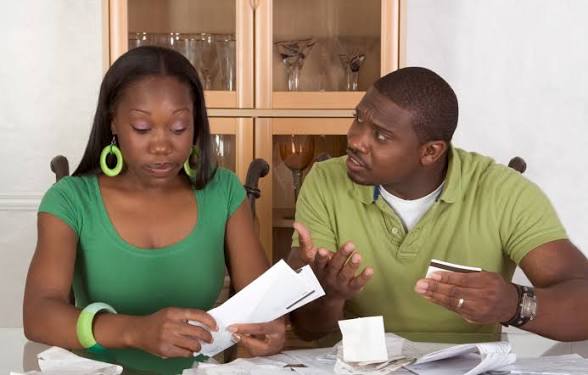
If one person earns significantly more, pretending both can contribute equally often creates pressure. On the other hand, hiding financial struggles can lead to resentment when one partner feels they’re carrying the relationship financially.
Consider Emeka, who lives in Lagos while his partner studies in Ghana. He initially tried to match her travel expectations without admitting his financial limits. Within months, he was borrowing money just to keep up appearances. Once they had an honest discussion, they adjusted their visit schedule and reduced unnecessary spending.
Clarity at the beginning prevents financial strain later.
2. Create a Shared Monthly Relationship Budget
A long-distance relationship needs its own budget, separate from personal expenses. This includes transportation, communication, accommodation during visits, and occasional gifts.
Instead of guessing how much you’ll spend, setting a monthly or quarterly limit helps control costs. It also allows both partners to plan ahead instead of making impulsive decisions.
Couples who treat relationship expenses like any other financial commitment tend to stay more stable. It removes surprises and creates a sense of structure, even when distance makes things unpredictable.
3. Plan Visits in Advance Instead of Last-Minute Trips
Spontaneous visits may feel exciting, but they are often the most expensive. Transport costs—especially flights or long-distance travel within Nigeria—can increase drastically when booked late.
Planning visits weeks or months ahead allows you to secure better deals and avoid unnecessary financial pressure. It also gives both partners time to prepare for accommodation and other expenses.
A couple traveling between Abuja and Lagos reduced their travel costs by nearly half simply by booking early and choosing off-peak travel dates. Small adjustments like this can lead to major savings over time.
4. Set Communication Spending Limits
Daily calls, video chats, and constant messaging are essential in long-distance relationships, but they come at a cost—especially with mobile data expenses.
Subscribing to affordable data plans or Wi-Fi options can help reduce spending. Without limits, it’s easy to overspend on subscriptions without even noticing.
Some couples agree on specific times for longer calls instead of staying connected all day. This not only saves money but also makes conversations more intentional and meaningful.
5. Avoid Competing Financially With Each Other
One of the most subtle problems in long-distance relationships is silent competition—who travels more, who spends more, who gives better gifts. This mindset can quietly turn love into a financial contest.
Healthy relationships focus on effort, not expense. A thoughtful gesture doesn’t need to be expensive to be meaningful.
Ada once felt pressured to match her partner’s frequent visits by sending costly gifts. Eventually, it became financially draining. When they addressed it, they agreed to focus on consistency rather than cost, which eased the pressure significantly.
6. Use Cost-Sharing Methods That Feel Fair
Splitting expenses doesn’t always mean dividing everything equally. Fairness depends on income, responsibilities, and circumstances.
Some couples alternate who pays for visits, while others split costs proportionally based on earnings. What works is what both partners agree on without feeling burdened.
Clear agreements prevent misunderstandings. It ensures that neither partner feels taken advantage of or overwhelmed.
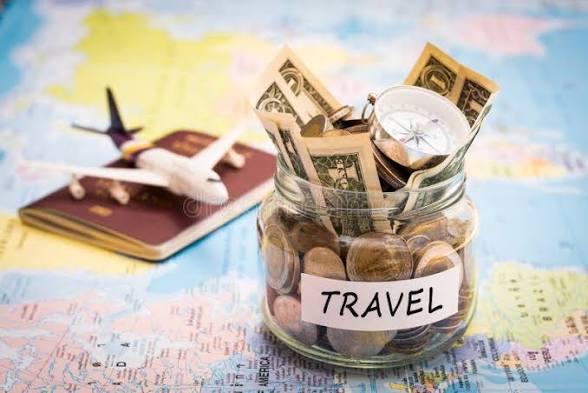
7. Build a Relationship Savings Fund
Setting aside money specifically for visits or shared plans can reduce financial stress. Even small, consistent contributions add up over time.
This fund can cover travel, accommodation, or even future plans like closing the distance permanently. Having dedicated savings reduces the need for emergency spending or borrowing.
A couple saving monthly for their meetups found they enjoyed visits more because they weren’t worried about money during the trip. Planning ahead made the experience smoother and more relaxed.
8. Keep Long-Term Goals in Mind
A long-distance relationship shouldn’t remain financially draining forever. At some point, there should be a plan to reduce the distance, whether through relocation, career adjustments, or shared living arrangements.
Without a long-term goal, expenses can continue indefinitely without progress. Aligning on future plans helps both partners see the bigger picture and stay motivated.
Couples who regularly discuss how and when they’ll eventually live in the same location tend to manage their finances better. It gives purpose to the sacrifices they’re making.
ALSO READ: The Psychology of Spending: Why People Overspend
Discover more from 9jaPolyTv
Subscribe to get the latest posts sent to your email.








-
 POLYTECHNIC NEWS2 hours ago
Abdu Gusau Polytechnic Releases Updated 2025/2026 Academic Calendar
-
 POLYTECHNIC NEWS1 hour ago
Delta State Polytechnic Declares Zero Tolerance on Extortion, Harassment and Campus Vices
-
 Admission1 hour ago
Open Admission 2026/2027: Akanu Ibiam Federal Polytechnic Unwana Post-UTME ND and HND Registration – Courses, Eligibility & How to Apply
-
 Admission1 hour ago
Osun State Polytechnic Iree HND Admission Form 2026/2027 Out – Courses, Requirements, Application Fee & How to Apply
-
 POLYTECHNIC NEWS49 minutes ago
Adeseun Ogundoyin Polytechnic Community Pays Condolence Visit to Family of Late Engr. Wole Ayanrinde
-
 Admission2 hours ago
APPLY NOW: Federal Polytechnic Ayede Opens Admission for 2026/2027 Academic Session Into National Diploma Programmes
-
 POLYTECHNIC NEWS46 minutes ago
Tributes Pour In as Adeseun Ogundoyin Polytechnic Holds Commendation Service for Late Engr. Wole A. Ayanrinde
-
 POLYTECHNIC NEWS30 minutes ago
Osun State Polytechnic Begins 3rd Multidisciplinary International Conference in Iree