EDUCATION
Only 450 of 24,207 Schools Adopt Computer-Based WASSCE in 2026 — WAEC
Only 450 of 24,207 Schools Adopt Computer-Based WASSCE in 2026 — WAEC
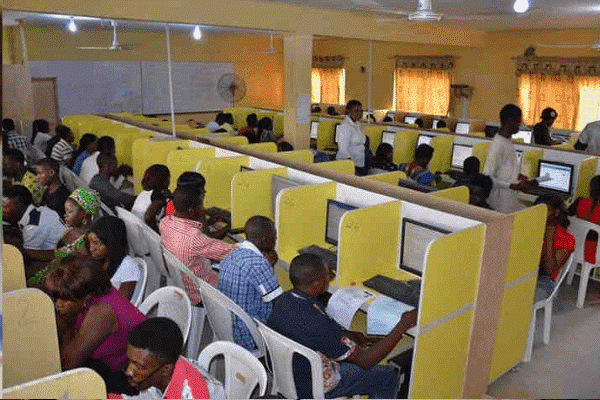
The West African Examinations Council has disclosed that only 450 out of 24,207 secondary schools across Nigeria have adopted the Computer-Based West African Senior School Certificate Examination (CB-WASSCE) for the 2026 school candidates’ examination.
The development highlights the slow nationwide adoption of the computer-based examination model introduced by WAEC in 2025 as part of efforts to reduce examination malpractice and modernise the conduct of secondary school examinations in Nigeria.
The Head of the Nigeria National Office of WAEC, Dr. Amos Dangut, revealed the figures during a press briefing ahead of the commencement of essay and objective papers, including Hausa, Igbo, and Yoruba language examinations.
According to available data, the 450 schools represent approximately 1.8 per cent of the total number of schools participating in the 2026 WASSCE for school candidates, showing that the computer-based option is still at an early stage of implementation across the country.
Despite the relatively low adoption rate, WAEC described the increase as a major improvement compared to the 2025 edition, when fewer than 40 schools nationwide participated in the computer-based examination format.
Dangut stated that the examination body remains optimistic about wider acceptance of CB-WASSCE as more schools continue to improve their digital infrastructure and examination facilities.
He explained that the flexibility of the examination system allows WAEC to deploy the computer-based model quickly once a school confirms readiness.
According to him, schools willing to migrate to the CBT format can easily be integrated into the system without lengthy preparations, which is contributing to the steady increase in adoption nationwide.
The WAEC official also stressed the importance of stable electricity supply for schools participating in the examination, noting that centres are required to provide backup power sources such as generators or solar systems to avoid disruptions during examinations.
He expressed concerns over the inconsistency of electricity supply from the national grid and said schools must make adequate arrangements to ensure smooth conduct of the examinations.
The introduction of CB-WASSCE is part of broader education technology reforms aimed at improving examination credibility, reducing malpractice, enhancing operational efficiency, and aligning Nigeria’s education system with global digital standards.
Education stakeholders believe that wider adoption of computer-based examinations could strengthen the integrity of public examinations in Nigeria while preparing students for digital learning and computer-based testing systems increasingly used by higher institutions and professional bodies.
Observers, however, noted that challenges such as inadequate computer facilities, unstable power supply, poor internet infrastructure, and limited digital literacy in some schools may continue to slow the expansion of CB-WASSCE across the country.
Discover more from 9jaPolyTv
Subscribe to get the latest posts sent to your email.



















 POLYTECHNIC NEWS2 hours ago
YabaTech to Host 2026 NBTE-NCCE National AI and Machine Learning Conference
- POLYTECHNIC NEWS11 hours ago
Federal Polytechnic Ohodo Announces Date for 3rd Matriculation Ceremony
 POLYTECHNIC NEWS10 hours ago
Federal Polytechnic Bali Celebrates Induction of Computer Science Staff as Chartered IT Professionals
- POLYTECHNIC NEWS10 hours ago
Moshood Abiola Polytechnic Partners Canadian Education Council to Expand Global Academic Opportunities
- EDUCATION2 hours ago
WAEC Urges Nigeria to Improve Teachers, School Facilities After Ghana Dominates WASSCE
- POLYTECHNIC NEWS11 hours ago
Federal Polytechnic Oko Management Commends Nurses During 2026 Nursing Week Celebration
- POLYTECHNIC NEWS11 hours ago
Federal Polytechnic Oko Launches Fitness Programme for Newly Elected Deans, HODs
- POLYTECHNIC NEWS11 hours ago
Federal Polytechnic Oko Rector Receives Official Invitation to 2026 Students’ Week Celebration