
EDUCATION
6 Proven Ways to Gain Admission Into Nigerian Universities Without JAMB in 2026
6 Proven Ways to Gain Admission Into Nigerian Universities Without JAMB in 2026
Every year, millions of Nigerian students sit for the Unified Tertiary Matriculation Examination conducted by the Joint Admissions and Matriculation Board, but only a fraction eventually secure admission into universities.
Due to the intense competition for limited admission slots, many students are now exploring alternative admission routes that do not require writing JAMB UTME.
The new update now is that gaining admission into a Nigerian university without JAMB is possible in 2026 through several approved and recognised programmes. Some of these alternatives can even help students gain Direct Entry admission into 200 level.
These options are legal, widely accepted, and increasingly becoming popular among students seeking faster and more flexible admission opportunities.
Here are six major ways to gain admission into Nigerian universities without writing JAMB in 2026.
1. IJMB Programme
The Interim Joint Matriculation Board (IJMB) programme remains one of the most recognised alternatives to JAMB in Nigeria.
The programme usually runs for about nine to ten months and allows students to study three major subjects related to their intended university course.
Candidates who successfully complete the programme and obtain the required points can apply for Direct Entry admission into 200 level in many federal and state universities.
One major advantage of IJMB is that it is accepted by several universities across Nigeria, making it a strong option for students who want to avoid repeatedly sitting for UTME.
Many science, commercial, and arts students now choose IJMB because it provides another realistic pathway into competitive courses such as Medicine, Engineering, Law, and Accounting.
2. JUPEB Programme
The Joint Universities Preliminary Examinations Board (JUPEB) programme is another effective alternative for university admission without JAMB.
JUPEB is especially popular among universities in Southern Nigeria and offers candidates the opportunity to gain Direct Entry admission into 200 level after successful completion.
To qualify for the programme, students must possess the required O’Level credits relevant to their chosen course of study.
The programme has become increasingly attractive because it reduces dependence on UTME scores while increasing admission opportunities into top Nigerian universities.
Candidates who perform well in JUPEB examinations can secure admission into highly competitive degree programmes through Direct Entry.
3. Direct Entry Admission
Direct Entry admission is one of the fastest routes into 200 level without writing JAMB UTME.
Candidates who already possess qualifications such as ND, NCE, HND, IJMB, JUPEB, or A-Level certificates are eligible to apply.
This pathway is commonly used by polytechnic graduates and candidates who already have post-secondary academic qualifications.
Most Nigerian universities accept Direct Entry applications yearly, although admission requirements usually differ depending on the institution and course.
Students with strong academic grades often have higher chances of securing admission through this route.
4. Pre-Degree and Remedial Programmes
Several Nigerian universities operate pre-degree and remedial programmes for students who could not secure admission through regular UTME processes.
These programmes typically last for one academic session and are designed to strengthen candidates academically before transitioning into full undergraduate programmes.
After successfully completing the programme and meeting the institution’s admission requirements, students may gain admission into 100 level or higher depending on the university’s policy.
Pre-degree programmes are particularly useful for candidates with low UTME scores or deficiencies in key O’Level subjects.
Many federal and state universities now use remedial programmes as part of efforts to increase access to higher education.
5. Diploma Programmes
Diploma programmes offered by universities and polytechnics also provide another recognised route into degree programmes without JAMB.
Students who complete diploma studies successfully may later convert into full degree programmes through Direct Entry admission into 200 level.
Diploma courses are available in several fields including Engineering, Computer Science, Mass Communication, Public Administration, Business Administration, and Science-related disciplines.
Apart from serving as admission alternatives, diploma programmes also equip students with practical and professional skills that can improve employability.
This route is ideal for students seeking technical knowledge and academic advancement simultaneously.
6. Private Universities
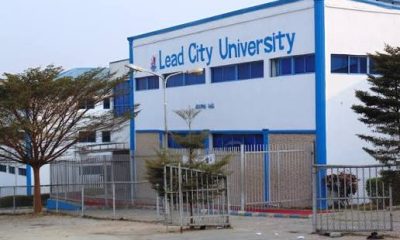
Private universities in Nigeria have also created more flexible admission opportunities for students without strict JAMB requirements.
Some private institutions conduct internal screening exercises instead of relying heavily on UTME scores.
In many cases, candidates with low JAMB scores or even no UTME result may still gain admission after meeting the institution’s internal admission conditions.
The increasing number of private universities in Nigeria has expanded access to higher education and reduced the pressure many students face during the traditional JAMB admission process.
However, prospective students are advised to carefully verify the accreditation status of any private university before applying.
Why Alternatives to JAMB Are Smart Options for Admission Seekers in Nigeria
The demand for alternative admission pathways continues to increase because millions of students compete for limited admission spaces every year.
Many students also prefer alternatives such as IJMB, JUPEB, diploma programmes, and Direct Entry because they provide faster routes into 200 level and reduce the stress associated with repeatedly writing UTME.
Education experts believe these programmes have helped widen access to university education in Nigeria while giving students more flexibility in achieving their academic goals.
Candidates are however advised to avoid fake admission agents and ensure that any programme or institution they apply to is officially approved and accredited by the relevant education authorities in Nigeria.
Discover more from 9jaPolyTv
Subscribe to get the latest posts sent to your email.


















 POLYTECHNIC NEWS4 hours ago
OGITECH Revised Academic Calendar 2025/2026: Examination Date, SIWES Schedule & New Session Resumption
- EDUCATION2 hours ago
Oloyede Set to Exit as JAMB Registrar After Transformative 10-Year Tenure
- EDUCATION2 hours ago
PAP Sends 15 Nigerian Scholars to UK for Master’s Degrees in Cybersecurity, Engineering, Data Science
- EDUCATION2 hours ago
Vitel Wireless Partners OPay, Moniepoint to Expand Airtime and Data Access Across Nigeria
 EDUCATION2 hours ago
How 16-Year-Old Daniella Owoeye Scored 372 to Become Nigeria’s Highest JAMB Scorer in 2026 UTME
- EDUCATION2 hours ago
NABTEB Announces 2026 Registration Deadlines for May/June Exams, Common Entrance Examination
- EDUCATION2 hours ago
JAMB Opens Portal for Change of Institution, Course After 2026 UTME
- EDUCATION2 hours ago
2026 WAEC GCE Registration Begins: Everything Private Candidates Need to Know About WASSCE Second Series