EDUCATION
Education emergency: Jigawa recruits 10,000 teachers
Education emergency: Jigawa recruits 10,000 teachers
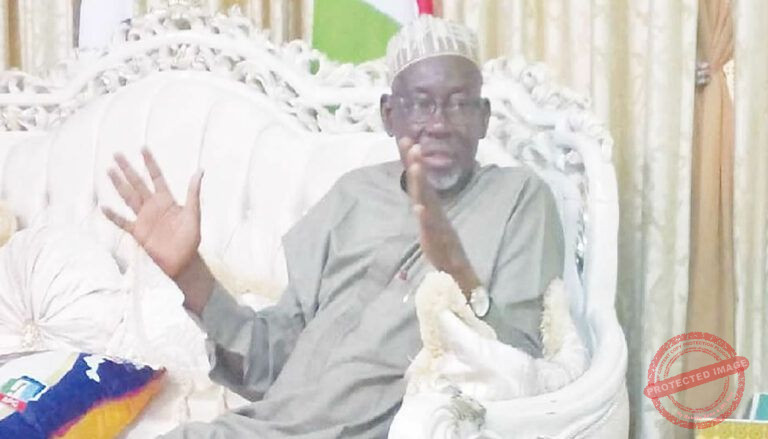
The Jigawa State Government has declared a state of emergency on education by way of unveiling far-reaching reforms to address poor literacy levels and strengthen the foundation of learning across the state.
Governor Umar Namadi, in an exclusive interview, said the decision followed a baseline survey that revealed that eight out of every 10 pupils in Primary One could neither read nor write.
“Education is the bedrock of any society. Our findings were alarming, so we had to act fast,” the governor stated.
As part of the reforms, the administration split the Ministry of Education into two — Basic Education and Higher Education — to reduce bureaucracy and ensure more focused management.
To address the acute teacher shortage, Namadi said his government confirmed 3,000 of the 4,500 J-Teach temporary staff as permanent and pensionable, recruited another 3,000 fresh teachers, and employed 4,200 more at the senior secondary level, bringing in more than 10,000 new teachers within a few months.
The governor also said that his administration strengthened school monitoring and parental involvement by empowering School-Based Management Committees (SBMCs) and introducing Mothers’ Forums.
While SBMCs track teacher attendance and allow mothers to ensure children attend classes regularly, a move the governor said has improved both discipline and learning outcomes.
In addition, Jigawa engaged NewGlobe, a UK-based education consultancy firm, to help improve literacy and numeracy. Namadi said the partnership was already producing “remarkable outcomes” in primary schools.
The administration has also integrated the Almajiri system into formal education by renovating Tsangaya schools and constructing three mega boarding Tsangaya institutions, each designed to accommodate 1,500 pupils.
The schools combine Quranic learning with literacy, numeracy, and vocational training while also farming their own food for sustainability.
At the higher education level, the state converted the School of Basic Studies in Bamabara into an Institute of Vocational Training, equipped with N25 billion worth of modern training facilities. Eight secondary schools were also upgraded to vocational excellence centers to produce middle-level manpower, while the State University of Technology provides advanced opportunities for graduates.
On teacher development, the governor disclosed that more than 7,000 teachers at the basic level and 4,800 at the higher education level have received training so far, with continuous programs in place under the NewGlobe partnership.
In addition, about 10,000 teachers are undergoing competency assessments to tailor future training.
“Our goal is to build a professional, well-equipped, and motivated teaching workforce,” Namadi affirmed, adding, “We are laying a solid foundation for the future of Jigawa.”
Discover more from 9jaPolyTv
Subscribe to get the latest posts sent to your email.















 EDUCATION13 hours ago
NANC Kwara Supports Over 300 Students with Educational Materials at Idofian Grammar School
- EDUCATION8 hours ago
JAMB Explains Delay in Release of 2026 UTME Original Result Slips
- EDUCATION8 hours ago
NYSC Introduces New Certificate Requirement for 2026 Batch B Corps Members
- EDUCATION8 hours ago
Nigeria Now Has Credible Education Data for Better Resource Allocation — Alausa
- EDUCATION8 hours ago
Obafemi Awolowo University Launches OAU eCampus for Online Degree Programmes Across Nigeria and Diaspora
- NEWS8 hours ago
CBN Introduces 8 New BVN and Mobile Banking Rules Starting July 2026
 Admission7 hours ago
AFIT Kaduna Announces 2026/2027 Post-UTME Admission Screening for Degree and ND Programmes
- EDUCATION8 hours ago
ASUU Warns Federal Government Over Unimplemented Agreement, Threatens Fresh Strike