
ARTICLES
Why Your Salary Finishes Before Month End and How to Fix It
Why Your Salary Finishes Before Month End and How to Fix It
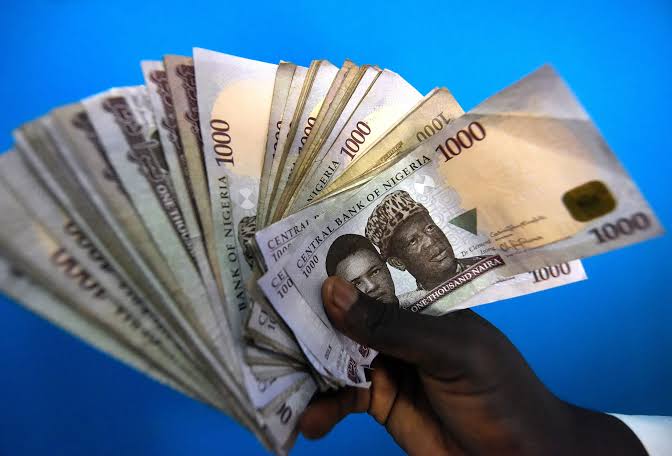
Every month starts with optimism. Salary alerts arrive, account balances look healthy, and there is a sense of relief after surviving the previous month. Yet before long, reality begins to set in. Two or three weeks later, the money is nearly exhausted, while the next payday still seems far away.
Many Nigerians experience this cycle repeatedly. Some blame inflation, others blame low income, while some simply accept it as normal. Rising living costs certainly play a role, but they are not always the entire explanation. In many cases, financial habits quietly contribute to the problem without attracting attention.
A salary that disappears before month-end often leaves behind stress, borrowing, postponed bills, and constant anxiety about money. Identifying the real causes is the first step toward changing the pattern.
1. You Spend First and Plan Later
One of the most common reasons salaries disappear quickly is the absence of a spending plan.
After payday, money gets spent on different things without a clear structure. A few transfers here, a shopping trip there, an outing with friends, and several small purchases later, a large portion of the salary has already vanished.
Planning expenses before spending creates boundaries. Once transportation, feeding, utilities, savings, and other obligations are allocated, it becomes easier to identify what is genuinely available for discretionary spending.
Many workers discover they have more control over their finances than they initially thought once they begin budgeting consistently.
2. Small Daily Expenses Are Draining Your Income
People often pay attention to major purchases while ignoring daily spending habits.
A bottle of soft drink after work, snacks during the day, ride-hailing services, mobile gaming purchases, subscriptions, and impulse purchases may appear insignificant individually. Combined over an entire month, they can consume a substantial portion of income.
Someone spending ₦1,500 daily on non-essential items could lose about ₦45,000 monthly. That amount alone is enough to cover food expenses for many households.
Tracking every expense for a month frequently reveals spending leaks that were previously unnoticed.
3. Your Lifestyle Has Expanded Faster Than Your Income
Lifestyle inflation affects people across all income levels.
A salary increase often leads to higher spending almost immediately. Transportation upgrades, more expensive restaurants, premium subscriptions, new gadgets, fashionable clothing, and increased entertainment costs begin replacing old spending habits.
The result is that income grows, but financial pressure remains exactly the same.
A worker earning ₦150,000 may experience the same money problems previously faced while earning ₦80,000 simply because expenses expanded alongside income.
4. You Rely Too Much on Convenience
Convenience often comes with a hidden financial cost.
Food delivery services, frequent ride-hailing trips, impulse online shopping, and other convenience-based spending can quietly consume a large portion of monthly income.
Consider someone who orders lunch daily instead of preparing meals at home. The difference may appear manageable on a single day, but over several weeks, the extra spending becomes substantial.
Convenience has its place, but excessive reliance on it can make salaries disappear much faster than expected.
5. You Have No Clear Spending Limits
Money tends to disappear when there are no limits attached to it.
Without spending caps, expenses continue expanding until income is exhausted. Entertainment spending grows, shopping increases, and impulse purchases become more frequent because there is no framework guiding financial decisions.
Setting monthly limits for categories such as food, transportation, entertainment, and personal spending creates discipline without making life feel restrictive.
Boundaries help prevent one category from consuming money intended for another.
6. Family and Social Obligations Consume More Than You Realize
Supporting relatives and contributing to social events is common across Nigeria.
Helping family members, attending celebrations, contributing to ceremonies, and responding to financial requests can place pressure on a monthly budget. While generosity is admirable, repeated financial commitments can leave little room for personal stability.
Many workers underestimate how much of their income goes toward these obligations until they review their spending records.
Financial support should be balanced with personal financial security.
7. You Save Only When Money Is Left Over
This habit prevents many people from building savings.
When saving depends on leftover money, savings rarely happen consistently. Unexpected expenses and unplanned purchases usually consume available funds before month-end arrives.
People who successfully save often move money aside immediately after receiving their salaries. Saving becomes a planned activity rather than an afterthought.
Even modest monthly contributions can accumulate into a meaningful emergency fund over time.
8. You Ignore Spending Records
It is difficult to improve finances when you do not know where your money goes.
Many people can estimate their monthly expenses, but estimates are often inaccurate. Actual spending patterns tell a different story once every transaction is recorded.
Reviewing bank statements, mobile banking transactions, and spending logs can reveal recurring expenses that have been overlooked for months.
Awareness often leads directly to better decisions because hidden spending becomes visible.
9. Debt Is Taking a Portion of Every Salary
Borrowing can provide temporary relief while creating long-term pressure.
Loan repayments, salary advances, buy-now-pay-later arrangements, and recurring debts reduce the amount of money available each month. The more income allocated to debt, the less flexibility remains for essential expenses and savings.
Many workers find themselves trapped in a cycle where every salary arrives partially committed to previous obligations.
Reducing debt gradually can create immediate breathing space within a monthly budget.
10. You Do Not Prepare for Unexpected Expenses
Unexpected costs are not actually rare. They happen regularly.
Phone repairs, medical bills, electricity issues, transportation increases, and emergency family situations appear throughout the year. When no emergency fund exists, these costs often disrupt the entire month’s finances.
A small reserve fund acts as financial shock absorption. Instead of scrambling for money or borrowing, unexpected expenses can be handled without derailing the budget.
Preparation often reduces financial stress more effectively than income increases alone.
11. You Spend Based on Emotion
Stress, boredom, excitement, and frustration can all influence spending decisions.
Some people shop to reward themselves after a difficult week. Others spend impulsively during social outings or after receiving salary alerts. Emotional spending usually feels harmless in the moment but becomes expensive over time.
Creating a habit of pausing before making non-essential purchases can reduce unnecessary spending dramatically.
A short delay often reveals whether a purchase is truly necessary or simply driven by temporary emotions.
12. Your Income Needs Additional Support
Budgeting can solve many problems, but income limitations are real.
There comes a point where reducing expenses further becomes difficult without affecting quality of life. At that stage, increasing income deserves serious attention.
Many Nigerians supplement their salaries through side businesses, online services, freelance work, tutoring, consulting, digital marketing, content creation, product sales, or weekend jobs. Additional income can create opportunities that budgeting alone cannot provide.
The combination of disciplined spending and higher earnings often produces the strongest financial results.
A salary that finishes before month-end is usually the result of multiple small habits rather than a single mistake. Spending without a plan, ignoring daily expenses, saving inconsistently, and failing to prepare for emergencies gradually weaken financial stability. Identifying these habits and correcting them can help transform the way money is managed from one payday to the next.
ALSO READ: Why Online Dating Isn’t Working for You and How to Fix It
Discover more from 9jaPolyTv
Subscribe to get the latest posts sent to your email.











-
 POLYTECHNIC NEWS41 minutes ago
OGITECH Strengthens Campus Security Through Strategic Partnership With Amotekun Corps
-
 EDUCATION36 minutes ago
BREAKING: NUC Approves Law, Pharmacy, Engineering and 10 Other Programmes for Lens University Ilemona
-
 POLYTECHNIC NEWS33 minutes ago
FEDPOLEL Delegation Attends 10th Coronation Anniversary of Jegun Olu-Ekun of Ile-Oluji Kingdom
-
 POLYTECHNIC NEWS29 minutes ago
Ogbonnaya Onu Polytechnic Seeks Strategic Partnership With Aba Made Film Project
-
 POLYTECHNIC NEWS26 minutes ago
Jobberman, Mastercard Foundation Boost Career Opportunities for OOPOLY Final-Year Students
-
 POLYTECHNIC NEWS23 minutes ago
Ogbonnaya Onu Polytechnic Secures TETFund Centre of Excellence in Artificial Intelligence and Robotics