
ARTICLES
How to Make Your Salary Last Until the Next Payday in Nigeria
How to Make Your Salary Last Until the Next Payday in Nigeria

Nothing is more frustrating than checking your account balance halfway through the month and realizing your salary is almost gone. The next payday still feels far away, yet transportation costs, food expenses, utility bills, and daily needs continue demanding attention.
This situation has become increasingly common across Nigeria. Rising prices have made it harder for workers to stretch their income over a full month. A salary that once covered basic expenses comfortably may now disappear much faster than expected.
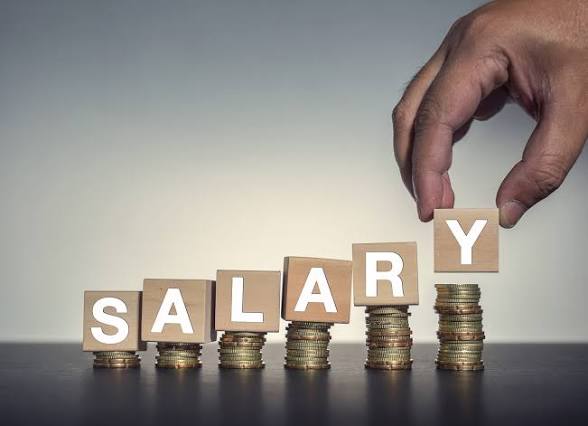
Many people assume the solution is simply earning more money. While higher income certainly helps, plenty of workers with decent salaries still struggle financially because of poor spending habits. Making your salary last until the next payday often depends more on money management than income size.
1. Plan Your Entire Month Before Spending Your First Naira
The first few days after payday often determine what the rest of the month will look like financially.
Many workers receive their salaries and immediately start spending without a clear plan. New clothes, expensive meals, social outings, and impulse purchases feel affordable because the account balance appears healthy. Two weeks later, reality sets in.
Creating a monthly spending plan before making discretionary purchases helps establish limits. Once major obligations are identified, it becomes easier to determine how much money is truly available for other expenses.
People who budget before spending generally experience fewer financial surprises later in the month.
2. Pay Essential Expenses Immediately
Essential bills should never compete with entertainment or impulse spending.
Transportation, food, rent contributions, electricity, water, internet, and work-related expenses deserve attention as soon as salary arrives. Delaying these obligations often creates confusion about how much disposable income actually exists.
A worker who sets aside transport money immediately after payday avoids the common situation where daily commuting becomes difficult during the final week of the month.
Covering necessities first creates a stronger financial foundation for everything else.
3. Stop Spending Based on Your Account Balance
One of the most expensive financial mistakes is spending according to what appears in your account.
Seeing ₦150,000 in your account does not mean you have ₦150,000 available to spend. Part of that money already belongs to future transportation costs, food purchases, utility bills, savings goals, and upcoming obligations.
Successful money management requires viewing money according to purpose rather than balance. Once each naira has a job, spending decisions become more disciplined and intentional.
This mindset shift alone can dramatically improve monthly cash flow.
4. Divide Your Salary Into Weekly Allocations
Managing an entire month’s income at once can be difficult.
Many people find it easier to divide their salary into weekly budgets. Instead of trying to control spending for thirty days, they focus on managing one week at a time.
Imagine someone receives ₦120,000 monthly after setting aside money for fixed expenses. The remaining amount can be divided into four weekly spending portions. Once a week’s allocation is exhausted, spending pauses until the following week.
This approach helps prevent overspending early in the month.
5. Identify the Habits That Drain Money Quietly
Financial pressure often comes from repeated small expenses rather than major purchases.
A daily bottle of soft drink, regular snacks, multiple ride-hailing trips, online subscriptions, impulse shopping, and frequent food deliveries may seem harmless individually. Combined over an entire month, they can consume a surprising amount of money.
A worker spending ₦1,000 daily on non-essential purchases loses approximately ₦30,000 monthly. That amount could cover food expenses or contribute significantly to savings.
Monitoring these spending habits often reveals opportunities for immediate improvement.
6. Keep Emergency Money Separate
Unexpected expenses have a way of appearing at the worst possible time.
Phone repairs, medical bills, family emergencies, transportation increases, and household repairs can disrupt even a carefully planned budget. Without an emergency fund, workers often borrow money or dip into funds allocated for other expenses.
Maintaining a small emergency reserve creates protection against these situations. Even a modest buffer can help keep the rest of the month’s finances intact.
Financial stability improves when emergencies stop becoming financial disasters.
7. Reduce the Number of Times You Spend Daily
Frequent spending often leads to higher spending.
Someone who makes ten small purchases daily usually spends more than someone who makes two or three planned purchases. Every spending decision creates another opportunity for impulse buying.
Carrying only the amount needed for specific daily expenses can help reduce unnecessary purchases. Many people notice immediate improvements when they become more intentional about spending opportunities.
Less frequent spending often results in greater financial awareness.
8. Avoid the Payday Excitement Trap
Payday excitement has emptied many bank accounts.
After weeks of waiting for salary, there is often a strong temptation to reward yourself with shopping, expensive meals, gadgets, or social activities. While occasional enjoyment is perfectly reasonable, excessive celebration can create financial stress later in the month.
A worker who spends ₦25,000 during the first weekend after payday immediately places pressure on the remaining weeks.
Enjoyment should fit within the budget rather than control it.
9. Use Shopping Lists Every Time
Unplanned shopping frequently leads to overspending.
Supermarkets, local markets, and online stores are designed to encourage additional purchases. Entering these environments without a list increases the likelihood of buying things that were never originally needed.
A simple shopping list creates focus and helps limit unnecessary expenses. Over several months, this habit can save a substantial amount of money.
People who consistently shop with lists often spend less while still meeting their needs.
10. Learn to Delay Non-Essential Purchases
Not every purchase needs to happen immediately.
A useful habit is creating a waiting period before buying non-essential items. Waiting a few days often reveals whether something is genuinely needed or simply desired in the moment.
Many purchases lose their appeal once the excitement fades. The money that would have been spent remains available for more important priorities.
Patience can be one of the most profitable financial habits a person develops.
11. Increase Awareness of Monthly Spending Patterns
Every worker has spending patterns that repeat monthly.
Some people overspend on transportation. Others struggle with food delivery costs, social outings, fashion purchases, or digital subscriptions. Identifying these recurring patterns helps reveal where adjustments should be made.
Reviewing previous bank transactions can provide valuable insight. The goal is not perfection but awareness.
Once spending habits become visible, changing them becomes much easier.
12. Build Financial Habits That Work Even During Tough Months
Many budgets work well when life goes according to plan. The real test comes when unexpected challenges appear.
Transportation fares increase, family obligations arise, inflation pushes prices higher, or emergencies demand attention. Strong financial habits provide resilience during these periods.
Someone who tracks expenses, maintains an emergency fund, avoids unnecessary debt, and plans spending carefully is more likely to survive difficult months without financial crisis.
Making your salary last until the next payday is rarely about luck. It comes from repeated decisions made throughout the month. Small spending choices, disciplined budgeting, and consistent financial awareness often determine whether a worker reaches payday comfortably or struggles during the final days.
ALSO READ: Personal Loan vs. Payday Loan: Which is the Better Option?
Discover more from 9jaPolyTv
Subscribe to get the latest posts sent to your email.





-
 POLYTECHNIC NEWS41 minutes ago
OGITECH Strengthens Campus Security Through Strategic Partnership With Amotekun Corps
-
 EDUCATION36 minutes ago
BREAKING: NUC Approves Law, Pharmacy, Engineering and 10 Other Programmes for Lens University Ilemona
-
 POLYTECHNIC NEWS33 minutes ago
FEDPOLEL Delegation Attends 10th Coronation Anniversary of Jegun Olu-Ekun of Ile-Oluji Kingdom
-
 POLYTECHNIC NEWS29 minutes ago
Ogbonnaya Onu Polytechnic Seeks Strategic Partnership With Aba Made Film Project
-
 POLYTECHNIC NEWS26 minutes ago
Jobberman, Mastercard Foundation Boost Career Opportunities for OOPOLY Final-Year Students
-
 POLYTECHNIC NEWS23 minutes ago
Ogbonnaya Onu Polytechnic Secures TETFund Centre of Excellence in Artificial Intelligence and Robotics