NEWS
Naira vs Dollar Exchange Rate Today: Latest Official and Parallel Market Prices January 16, 2026
Naira vs Dollar Exchange Rate Today: Latest Official and Parallel Market Prices January 16, 2026

The Nigerian naira remained relatively stable against the United States dollar on Friday, January 16, 2026, trading within a narrow range across both the official foreign exchange market and the parallel market, according to market data available in the early hours of trading.
At the official Nigerian Foreign Exchange Market, the naira opened at approximately ₦1,422.75 per dollar, showing a slight improvement from the previous closing rate of ₦1,424.57. Intraday movements remained modest, with the exchange rate touching a high of ₦1,424.32 and a low of ₦1,421.05 as trading progressed. The controlled movement suggests reduced volatility compared to the sharp swings experienced in the latter part of 2025.
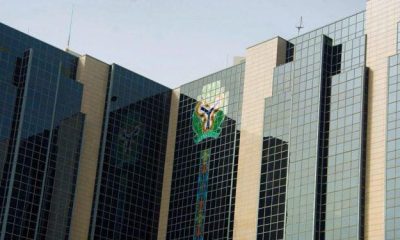
Financial analysts link the currency’s steadiness to sustained interventions by the Central Bank of Nigeria and improved foreign exchange liquidity within the banking sector. Data indicates that the average exchange rate for the week has remained close to the ₦1,420 level, pointing to a short-term consolidation phase for the naira amid cautious market sentiment.
In the parallel market, commonly referred to as the black market, the naira exchanged between ₦1,465 and ₦1,475 per dollar. Although the gap between the official and parallel market rates persists, the differential has narrowed significantly compared to previous periods. Currency traders and Bureau De Change operators in major commercial centres such as Lagos and Abuja report moderate demand for the dollar, largely due to increased access to foreign exchange through official channels by businesses and importers.
Nigeria’s improving macroeconomic indicators have also played a role in supporting the local currency. Recent easing in inflationary pressure and a gradual increase in foreign exchange reserves have strengthened the Central Bank’s ability to manage liquidity and stabilise the market. These factors have boosted investor confidence, particularly among foreign portfolio investors monitoring Nigeria’s monetary policy direction.
Despite the current stability, market participants remain watchful. Global crude oil prices, external debt servicing obligations, and shifts in international monetary policy continue to pose potential risks that could influence dollar demand and exchange rate movements in the coming weeks. Analysts advise businesses and investors to monitor forex market trends closely, as external shocks could quickly alter the current balance.
The naira’s performance on January 16, 2026, reflects cautious optimism in Nigeria’s foreign exchange market, supported by policy interventions, improved liquidity, and easing economic pressures, even as uncertainty in the global economy remains a key factor to watch.
Discover more from 9jaPolyTv
Subscribe to get the latest posts sent to your email.



 POLYTECHNIC NEWS4 hours ago
Federal Polytechnic Ukana Introduces Online Application Portal for 2026 Recruitment Exercise
 POLYTECHNIC NEWS4 hours ago
Osun State Polytechnic Matriculates 2025/2026 Part-Time Students
- POLYTECHNIC NEWS4 hours ago
Dr Ashinya Felicitates With Akperan Orshi Polytechnic Over 27th Matriculation Ceremony