
NEWS
Dollar to Naira Exchange Rate Today in Nigeria January 19 2026 Official and Black Market Rates
Dollar to Naira Exchange Rate Today in Nigeria January 19 2026 Official and Black Market Rates

The Nigerian naira opened the week on a relatively stable note against the United States dollar on Monday, January 19, 2026, reflecting continued calm in the foreign exchange market. This steady performance follows recent monetary policy adjustments and gradual improvements in Nigeria’s external reserves, which have helped reduce pressure on the local currency.
In the official foreign exchange window, the naira traded stronger at the Nigerian Foreign Exchange Market, NFEM, compared to the previous week. Early trading data showed the currency opening at an average exchange rate of ₦1,420.59 to one US dollar. This marked a slight appreciation from the prior closing level of around ₦1,422 per dollar. During the early hours of trading, the naira briefly touched a high of ₦1,422.59 before settling lower, translating to a marginal 0.14 percent gain in value.
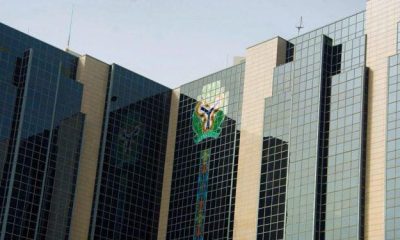
Financial market analysts attribute this stability to sustained liquidity management by the Central Bank of Nigeria. Ongoing reforms in the foreign exchange framework, combined with tighter monetary controls, have helped calm speculative activities. Projections indicating that Nigeria’s external reserves could exceed 50 billion dollars later in the year have also strengthened investor confidence and improved market sentiment.

In the parallel market, commonly referred to as the black market, the naira continued to trade at a premium relative to the official rate, although price movements remained largely stable. Bureau De Change operators in major cities such as Lagos and Abuja reported buying rates ranging between ₦1,465 and ₦1,470 per dollar, while selling rates hovered between ₦1,472 and ₦1,475.
While the gap between the official and parallel market rates persists, the sharp volatility experienced in previous years has significantly reduced. Market watchers point to the impact of exchange rate unification policies, improved transparency, and increased diaspora remittances as key factors responsible for the narrowing spread.
Looking ahead, economic projections for 2026 remain cautiously optimistic. Government officials and independent economists believe the naira could maintain relative stability throughout the year, supported by stronger oil revenues, fiscal discipline, and continued structural reforms. Nigeria’s Minister of Finance recently noted that the economy has entered a consolidation phase, with inflation expected to moderate to an average of about 16.5 percent in 2026, down from the elevated levels recorded in earlier years.
The Central Bank’s economic outlook also supports this view, citing higher foreign exchange inflows and improved revenue generation as buffers against currency shocks. Investors and businesses are now closely monitoring upcoming monetary policy decisions, which are expected to provide further guidance on interest rates, inflation control, and foreign exchange management.
As Nigeria navigates ongoing economic adjustments, the dollar to naira exchange rate remains a critical indicator for importers, exporters, investors, and everyday consumers tracking the cost of goods, international payments, and foreign transactions.
Discover more from 9jaPolyTv
Subscribe to get the latest posts sent to your email.




-
 POLYTECHNIC NEWS23 hours ago
Abubakar Tatari Ali Polytechnic Students Commend Dr. Bala Wunti for Free Campus WiFi Initiative
-
 POLYTECHNIC NEWS22 hours ago
Mass Communication Students Win Federal Polytechnic Idah’s Maiden Deans’ Games Football Title Ahead of NIPOGA
-
 POLYTECHNIC NEWS22 hours ago
Federal Polytechnic Idah Rector Commissions NAKOSS Projects, Applauds Students’ Development Initiative
-
 POLYTECHNIC NEWS22 hours ago
Corporate Affairs Commission Visits Jigawa State Polytechnic to Strengthen Institutional Collaboration
-
 POLYTECHNIC NEWS22 hours ago
SSANIP Holds Annual Congress, Reviews Achievements at Jigawa State Polytechnic
-
 POLYTECHNIC NEWS23 hours ago
Agada Daniel Ojochokobi Emerges SUG President as Federal Polytechnic Idah Announces 2025/2026 Student Union Executives
-
 POLYTECHNIC NEWS22 hours ago
Federal Polytechnic Idah Records First Greenhouse Harvest as Rector Commends Governor Ododo for ACReSAL Project
-
 POLYTECHNIC NEWS11 hours ago
Federal Polytechnic Ohodo Seeks Strategic Partnership With Catholic Diocese of Nsukka to Boost Technical Education