
NEWS
Dollar to Naira Exchange Rate Today in Nigeria January 14, 2026 Official CBN and Black Market Rates
Dollar to Naira Exchange Rate Today in Nigeria January 14, 2026 Official CBN and Black Market Rates

The Nigerian Naira opened mid-week trading under sustained pressure against the United States Dollar as foreign exchange market data showed continued volatility across both official and parallel markets. Fresh figures from the Nigerian Foreign Exchange Market and reports from major currency trading centres nationwide indicate that the local currency remains sensitive to demand pressures in early 2026.
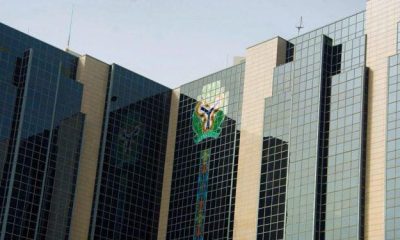
At the official foreign exchange window, the Nigerian Foreign Exchange Market, the Naira recorded a mild depreciation at the start of trading. Early session data placed the exchange rate at approximately ₦1,426.67 to one US dollar, compared with the previous day’s closing rate of around ₦1,424.50. Market participants attribute the movement to persistent dollar demand from importers, manufacturers, and companies meeting external obligations.
Despite recent efforts by the Central Bank of Nigeria to boost dollar liquidity and improve price discovery, analysts note that pressure remains elevated due to strong demand for foreign exchange for international trade, fuel imports, tuition payments, and foreign debt servicing. Analysts expect the official closing rate to settle within the ₦1,420 to ₦1,430 range, depending on market interventions and transaction volumes later in the day.
In the parallel market, also known as the black market, the Naira traded at weaker levels compared to the official window. Currency dealers across key commercial locations including Lagos, Abuja, and Kano reported buying rates of about ₦1,465 per dollar and selling rates as high as ₦1,475 per dollar. The spread reflects ongoing access challenges for individuals and small businesses seeking quick foreign exchange outside the banking system.
The difference between official and parallel market rates, commonly referred to as the foreign exchange gap, currently stands at roughly ₦50. Although this margin has narrowed compared to previous periods of severe distortion, the gap continues to encourage speculative trading and arbitrage activities among currency users.
Several factors are shaping current market sentiment. Nigeria’s external reserves are reported to be relatively stable, giving the Central Bank some capacity to intervene when necessary. Inflation remains a major concern, particularly as the cost of imported goods continues to affect household spending and business operations. In addition, trading activity at the official market has increased modestly as companies finalize import plans and settle foreign obligations for the first quarter of the year.
The Central Bank of Nigeria has continued to advise businesses and individuals to conduct foreign exchange transactions through official banking channels, emphasizing transparency, market stability, and long-term confidence in the Naira.
As global economic conditions, interest rates, and oil market dynamics continue to influence capital flows, the dollar to naira exchange rate is expected to remain a key indicator for investors, importers, and policymakers monitoring Nigeria’s economic outlook in 2026.
Discover more from 9jaPolyTv
Subscribe to get the latest posts sent to your email.



 POLYTECHNIC NEWS3 hours ago
Federal Polytechnic Ukana Introduces Online Application Portal for 2026 Recruitment Exercise
 POLYTECHNIC NEWS3 hours ago
Osun State Polytechnic Matriculates 2025/2026 Part-Time Students
- POLYTECHNIC NEWS3 hours ago
Dr Ashinya Felicitates With Akperan Orshi Polytechnic Over 27th Matriculation Ceremony