
ARTICLES
Best Hybrid Palm Seedlings in Nigeria — Prices and Profit Advantages
Best Hybrid Palm Seedlings in Nigeria — Prices and Profit Advantages
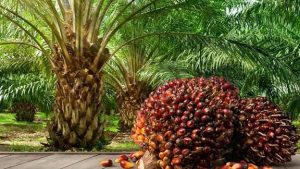
Hybrid palm seedlings have changed oil palm farming across Nigeria. Farmers who once depended on wild seedlings now record higher harvest volumes, better oil quality, and faster fruiting cycles. From commercial estates in Cross River to small farms in Imo, hybrid palms deliver predictable yields that support long-term planning and access to financing.
Selecting quality seedlings remains the foundation of a productive plantation. Poor seedlings lock farmers into decades of low output, while improved hybrids reward patience with steady harvests for over 20 years. This article explains the best hybrid palm seedlings available in Nigeria, current prices, and the production advantages farmers gain.
What Hybrid Palm Seedlings Mean in Nigerian Farming
Hybrid palm seedlings result from controlled breeding of selected oil palm varieties. The most popular hybrids in Nigeria come from crossing high-yielding parents to improve oil content and disease resistance.
Most commercial hybrids in Nigeria belong to the Tenera group, combining thin shells with high oil percentage. These seedlings dominate modern plantations due to superior performance.
Major Hybrid Palm Seedling Types in Nigeria
Several hybrid types circulate in Nigerian markets, sourced from research institutes and certified nurseries.
NIFOR Tenera hybrids
Improved Dura-Tenera crosses
Imported Malaysian Tenera hybrids
Each type differs slightly in yield potential and adaptation to local climate.
NIFOR Hybrid Palm Seedlings
The Nigerian Institute for Oil Palm Research remains the leading source of certified hybrid seedlings. NIFOR hybrids suit most oil palm belts in Nigeria.
Benefits of NIFOR hybrids include
Early fruiting from year three
High oil extraction rate
Uniform bunch size
Strong adaptability to local rainfall patterns
Many farmers in Edo and Delta rely exclusively on NIFOR seedlings due to proven field performance.
Imported Hybrid Palm Seedlings
Imported hybrids mainly originate from Malaysia and Indonesia. These seedlings attract estate operators seeking maximum output.
Advantages include
High bunch weight
Excellent oil-to-bunch ratio
Uniform plantation appearance
Imported hybrids require careful acclimatization and often cost more than local options.
Hybrid Palm Seedling Prices in Nigeria
Seedling prices vary based on source, age, and certification status.
Current price range
NIFOR hybrid seedlings: ₦1,500 – ₦2,500 per seedling
Private certified nurseries: ₦2,000 – ₦3,500 per seedling
Imported hybrid seedlings: ₦4,000 – ₦7,000 per seedling
Bulk buyers often receive discounted rates when ordering above 500 seedlings.
Seedling Age and Price Differences
Seedling age affects survival rate and early growth.
Three-month-old seedlings cost less but need careful handling.
Six-month-old seedlings attract higher prices but establish faster.
Farmers in Ogun prefer six-month-old seedlings due to higher transplant success.
Yield Advantage of Hybrid Palm Seedlings
Hybrid palms deliver higher yield per hectare compared to wild palms.
Average yield comparison
Wild palms: 1.0–2.0 tonnes of oil per hectare
Hybrid palms: 3.5–5.0 tonnes of oil per hectare
This yield difference compounds over the productive lifespan of the plantation.
Fruit Quality and Oil Content Benefits
Hybrid palms produce fruits with higher mesocarp content and thinner shells. This trait improves oil extraction rate and reduces waste during processing.
Processors pay premium prices for fruits from hybrid palms due to better oil recovery.
Plantation Density and Spacing Benefits
Hybrid seedlings support planned spacing, improving sunlight exposure and harvesting ease.
Recommended spacing
9 meters triangular spacing
148–160 palms per hectare
Proper spacing reduces disease spread and improves bunch size.
Disease Resistance and Survival Rate
Hybrid seedlings show improved tolerance to common palm diseases.
Higher survival rate during early years
Reduced pest damage
Stronger root development
Farmers in Bayelsa record better survival rates in flood-prone areas using hybrids.
Cost Implication of Using Hybrid Seedlings
Initial planting cost increases when using hybrid seedlings. Long-term revenue, however, offsets early expense.
Example
One hectare requires about 150 seedlings. At ₦2,000 per seedling, planting cost equals ₦300,000. Yield difference compared to wild palms generates several million naira across production years.
Where to Buy Certified Hybrid Palm Seedlings in Nigeria
Reliable sources include
NIFOR nurseries
State agricultural development programs
Registered private nurseries
Avoid roadside sellers offering uncertified seedlings.
Common Mistakes When Buying Hybrid Seedlings
Frequent errors include
Buying mixed varieties
Ignoring seedling health signs
Skipping nursery inspection
Healthy seedlings display green leaves, strong stems, and visible root development.
Real-Life Farmer Experience with Hybrid Seedlings
A farmer in Akwa Ibom replaced half of his old grove with NIFOR hybrids. Within five years, oil output doubled, allowing expansion into kernel oil extraction.
ALSO READ: Most Profitable Poultry Breeds for Nigerian Farmers
Discover more from 9jaPolyTv
Subscribe to get the latest posts sent to your email.















 Admission23 hours ago
APPLY NOW: Ogun State Polytechnic of Health and Allied Sciences Begins 2026/2027 Post-UTME, ND and HND Admission Sales
- Admission23 hours ago
APPLY NOW: Delta State Polytechnic, Otefe-Oghara Opens Admission for 2026/2027 POST UTME, ND and HND Programmes
 POLYTECHNIC NEWS1 hour ago
Federal Polytechnic Ukana Introduces Online Application Portal for 2026 Recruitment Exercise
- POLYTECHNIC NEWS23 hours ago
Federal Polytechnic Idah Bans Unauthorized Social Activities on Campus
- POLYTECHNIC NEWS1 hour ago
Osun State Polytechnic Matriculates 2025/2026 Part-Time Students
- POLYTECHNIC NEWS1 hour ago
Dr Ashinya Felicitates With Akperan Orshi Polytechnic Over 27th Matriculation Ceremony