
NEWS
Inflation Crisis: Majority of Nigerians Want CBN to Reduce Interest Rates
Inflation Crisis: Majority of Nigerians Want CBN to Reduce Interest Rates
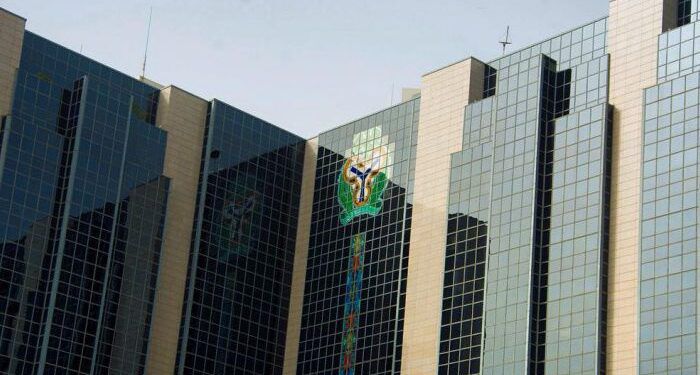
The Central Bank of Nigeria has revealed that a majority of Nigerians are calling for a reduction in interest rates ahead of the Monetary Policy Committee meeting scheduled for May 19 and 20, 2026.
According to the apex bank’s April 2026 Inflation Expectations Survey Report, about 63.3 per cent of respondents want lower borrowing costs despite persistent inflationary pressures affecting the economy.
The report, released by the Statistics Department under the CBN’s Economic Policy Directorate, showed that public engagement with the central bank’s policies and communications remained high. The survey indicated that 92.1 per cent of respondents actively followed CBN communications, while 93.3 per cent viewed the bank as transparent in its policy direction.
However, while most Nigerians support lower interest rates, others remain divided over the best approach to tackling inflation. The survey showed that 26 per cent of respondents preferred retaining current rates, while 10.7 per cent supported another interest rate hike.
The development comes as the Monetary Policy Committee prepares to decide on the country’s benchmark interest rate amid rising concerns over inflation, exchange rate volatility, insecurity, energy costs, and weakening consumer purchasing power.
The report also revealed that inflation concerns intensified in April 2026. About 67.2 per cent of respondents described inflation as high, compared to 56.4 per cent recorded in March.
According to the CBN, the Inflation Perception Index stood at 40.5 points in April, reflecting the widespread belief that inflation remains elevated across the country.
Households appeared to feel the pressure more strongly than businesses. The proportion of households that viewed inflation as high rose from 61.7 per cent in March to 68.8 per cent in April, while business responses increased from 51.9 per cent to 65.9 per cent during the same period.
Micro businesses recorded the highest inflation concerns at 69.9 per cent, while medium-sized businesses posted the lowest inflation perception at 63.2 per cent.
The survey further showed that low-income earners were the most affected by rising prices. Nigerians earning below ₦70,000 monthly recorded the highest inflation perception at 77.9 per cent. In contrast, respondents earning between ₦250,001 and ₦350,000 reported the lowest perception level at 46.6 per cent.
Rural communities also appeared more vulnerable to inflationary pressures, with 70.4 per cent of rural respondents describing inflation as high compared to 67.6 per cent in urban areas.
Participants identified energy costs, transportation expenses, exchange rate instability, insecurity, and infrastructure challenges as the major factors driving inflation in the country.
Despite these concerns, many respondents expressed optimism that inflationary pressures could ease within the next six months.
The report revealed that 58.5 per cent of respondents expect inflation to rise next month, while 56.7 per cent and 54.4 per cent expect inflation increases over the next three and six months respectively. However, the number of respondents expecting inflation to decline gradually increased over the longer term.
On spending expectations, about 67.9 per cent of respondents projected higher expenditures in the current month. Businesses recorded slightly higher spending expectations at 69 per cent compared to 66.7 per cent among households.
The survey covered 3,587 respondents, including 1,923 firms and 1,664 households selected from the National Bureau of Statistics establishment frame and the National Population Commission’s National List of Enumeration Areas.
Meanwhile, economic experts have warned the Monetary Policy Committee against aggressive monetary tightening despite inflationary risks.
The Chief Executive Officer of the Centre for the Promotion of Private Enterprise, Muda Yusuf, said rising liquidity ahead of the 2027 general elections could pressure the MPC into maintaining its current tight monetary stance.
According to him, election-related spending, increased allocations to states from the Federation Account Allocation Committee, and broader fiscal liquidity risks may worsen inflationary conditions in the economy.
However, Yusuf cautioned that additional interest rate hikes could negatively affect economic growth, private sector investment, manufacturing activities, and small businesses already struggling with high operating costs.
He argued that Nigeria’s inflation crisis is largely driven by structural issues such as energy costs, transportation challenges, poor infrastructure, and logistics bottlenecks rather than excessive consumer demand.
Financial analysts at United Capital Plc also projected that the MPC would likely retain the current Monetary Policy Rate during its May 2026 meeting.
According to the firm’s Monetary Policy Watch report, the committee faces the challenge of balancing inflation control with the need to support economic growth amid both domestic and global economic uncertainties.
The analysts noted that global geopolitical tensions, including the ongoing United States-Iran crisis, could further increase inflationary pressures through higher crude oil prices, transportation costs, and supply chain disruptions.
United Capital Research added that exchange rate stability and improving oil production figures may provide some support for maintaining the current monetary policy framework.
The firm also warned that weakening business activities remain a concern after Nigeria’s Composite Purchasing Managers’ Index dropped to 49.4 points in April from 53.2 points recorded in March, signalling a slowdown in economic activities.
Analysts projected that the Monetary Policy Committee would likely retain the Monetary Policy Rate at 26.5 per cent, keep the Cash Reserve Ratio for commercial banks at 45 per cent, and maintain the liquidity ratio at 30 per cent.
Discover more from 9jaPolyTv
Subscribe to get the latest posts sent to your email.


