
EDUCATION
Requirements for Setting Up a Private Polytechnic in Nigeria (NBTE Approval Guide)
Requirements for Setting Up a Private Polytechnic in Nigeria (NBTE Approval Guide)

Establishing a private polytechnic in Nigeria goes far beyond constructing buildings or announcing admission. Regulatory compliance is strict, and every institution must meet clearly defined standards before it can operate legally. Anyone planning to enter this sector must align fully with the expectations of the National Board for Technical Education, the body responsible for supervising technical and vocational institutions across the country.
Approval is not granted based on intention alone. Evidence of readiness, financial strength, academic structure, and infrastructure must be presented and verified through inspections. Institutions that fail to meet these benchmarks are denied approval or asked to make corrections before proceeding.
Institutional Ownership and Legal Structure
Every proposed polytechnic must be backed by a legally recognized entity. Promoters are required to register their institution with the Corporate Affairs Commission, either as a limited liability company, a non-profit organization, or a faith-based institution.
Ownership structure must be transparent, with clear documentation showing directors, trustees, or board members. Authorities expect to see a governing council responsible for policy decisions, financial oversight, and institutional direction. This council plays a major role in maintaining credibility and long-term stability.
Legal compliance also extends to state-level approvals. The host state government must be aware of the project, and in some cases, additional permits may be required before construction begins.
Minimum Land Requirement and Site Approval
NBTE places strong emphasis on land size and location. A standard private polytechnic is expected to sit on a large expanse of land, often around 50 hectares, depending on projected growth and programme offerings.
Location must support academic activities. Quiet environments away from industrial noise or security risks are preferred. Accessibility is equally important, as students and staff must be able to reach the campus without difficulty.
Land ownership documents must be valid and verifiable. Certificates such as C of O, survey plans, and title deeds are reviewed during the approval process. Any dispute or irregularity in land documentation can delay or terminate the application.
Physical Infrastructure and Campus Development
NBTE does not approve institutions based on empty land or incomplete structures. Physical facilities must be in place and ready for inspection before approval is granted.
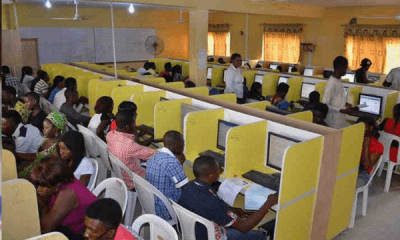
Lecture halls must be spacious, properly ventilated, and furnished to accommodate students comfortably. Administrative buildings must house offices for key personnel such as the rector, registrar, and bursar.
Laboratories and workshops are central to technical education. Each department must have dedicated spaces equipped for practical learning. A polytechnic offering engineering courses, for instance, must provide fully functional engineering workshops.
Support facilities such as libraries, ICT centers, health units, and sanitation systems are also required. These elements collectively determine whether the institution meets operational standards.
Academic Structure and Programme Approval
Academic planning is a major requirement in the approval process. Institutions must present a detailed academic brief outlining all proposed programmes, admission criteria, and graduation requirements.
Each programme must align with NBTE-approved curriculum standards. Departments should be clearly structured, with qualified heads and academic staff assigned to each area.
Teaching staff must possess relevant academic qualifications and industry experience. NBTE evaluates staff credentials carefully, ensuring that students receive quality instruction.
Student admission capacity must also be realistic. Overestimating intake without adequate facilities can lead to rejection during inspection.
Staffing Requirements and Administrative Setup
A polytechnic cannot function without a strong team of professionals. Key administrative positions must be filled before approval is granted.
The rector serves as the chief executive officer, responsible for overall management. The registrar handles administrative operations, while the bursar oversees financial matters.
Academic staff must be recruited across all departments. Lecturers are expected to hold at least a bachelor’s degree, with many programmes requiring master’s degrees or higher qualifications.
Non-academic staff, including librarians, technicians, and support personnel, must also be in place. A balanced workforce ensures smooth day-to-day operations.
Financial Capacity and Sustainability Proof
NBTE requires clear evidence that the institution can sustain operations over time. Promoters must demonstrate access to sufficient funds to build, equip, and run the polytechnic without interruption.
Financial documents such as bank statements, asset declarations, and funding agreements are often requested. Authorities assess whether the institution can pay staff, maintain facilities, and deliver quality education even during periods of low student enrollment.
Institutions that rely solely on projected tuition income are rarely approved. Strong financial backing is considered a major indicator of long-term success.
Library and Learning Resources
A functional library is a core requirement for approval. It must contain up-to-date textbooks, academic journals, and digital resources relevant to all programmes offered.
Seating capacity, reading spaces, and access to online databases are also evaluated. Students must have access to materials that support both theoretical and practical learning.
Digital libraries are becoming increasingly important. Institutions that invest in e-learning platforms and online resources tend to perform better during inspections.
Laboratory and Workshop Standards
Technical education depends heavily on practical training, which makes laboratories and workshops non-negotiable. Each programme must have access to equipment that reflects real industry standards.
Engineering departments require machines, tools, and testing equipment. Science programmes must have properly equipped laboratories for experiments and research.
NBTE inspectors assess not just the presence of equipment but also its functionality. Non-functional or outdated tools can lead to rejection or delayed approval.
Health, Safety, and Student Support Services
Student welfare is another important area of evaluation. Institutions must provide basic health services, either through an on-campus clinic or a partnership with nearby medical facilities.
Safety measures such as fire extinguishers, emergency exits, and security personnel must be in place. A safe learning environment is essential for approval.
Accommodation is not always mandatory, but institutions that provide hostels must ensure they meet acceptable living standards. Clean water, sanitation, and electricity are expected.
Step-by-Step NBTE Approval Process
Application begins with submitting a formal request to NBTE, accompanied by all required documents. These include feasibility studies, academic briefs, land documents, and evidence of financial capacity.
NBTE conducts an initial evaluation of the documents before scheduling a resource inspection. Inspectors visit the site to assess infrastructure, staffing, and overall readiness.
Feedback is provided after the inspection. Promoters are expected to address any identified gaps before a follow-up visit is conducted. Approval is granted once all requirements are satisfied, usually on a provisional basis before full accreditation.
Common Mistakes That Delay Approval
Many applications fail due to incomplete documentation or inadequate facilities. Submitting an application without fully developed infrastructure often leads to rejection.
Another common issue is underestimating financial requirements. Institutions that cannot demonstrate strong funding are unlikely to receive approval.
Poor academic planning, unqualified staff, and lack of proper equipment also contribute to delays. Careful preparation reduces these risks and speeds up the approval process.
Discover more from 9jaPolyTv
Subscribe to get the latest posts sent to your email.





















 RELATIONSHIP22 hours ago
12 Emotional Signs of a Deep Connection in a Healthy Relationship
- RELATIONSHIP22 hours ago
15 Clear Signs Someone Secretly Likes You (Even If They’re Hiding It)
- RELATIONSHIP22 hours ago
8 Signs You Have Found the Right Person for a Long-Term Relationship
- RELATIONSHIP22 hours ago
10 Powerful Signs Your Partner Sees a Future With You (Marriage-Level Serious)
 RELATIONSHIP22 hours ago
10 Subtle Body Language Signs Someone Is Deeply Attracted to You
- RELATIONSHIP22 hours ago
12 Signs You Are Being Taken for Granted in Your Relationship
- RELATIONSHIP22 hours ago
12 Psychological Signs Your Crush Is Falling for You Without Saying It
- RELATIONSHIP22 hours ago
10 Relationship Red Flags You Should Never Overlook, Even If You Love Them