ARTICLES
Passive Investing vs Active Investing: Which Strategy Is Right for You?
Passive Investing vs Active Investing: Which Strategy Is Right for You?
Every investor wants the same outcome: steady growth, manageable risk, and a portfolio that helps achieve long-term financial goals. The debate begins when deciding how to get there.
Some investors believe skilled professionals can consistently beat the market by carefully selecting stocks and adjusting portfolios as conditions change. Others argue that trying to outperform the market is unnecessary because simply tracking it has produced impressive long-term results.

This debate between passive and active investing has existed for decades, and both approaches have loyal supporters. Each offers advantages and trade-offs, but historical evidence suggests one strategy has consistently delivered stronger results for most everyday investors.
Choosing the approach that fits your goals starts with knowing how each one works and what you can realistically expect.
What Is Passive Investing?
Passive investing aims to match the performance of a market index instead of trying to outperform it.
Rather than selecting individual stocks, passive investors usually buy investments that track a broad market.
Popular passive investments include:
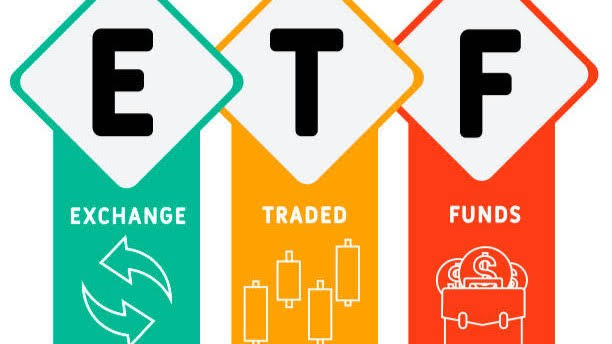
- Exchange-traded funds (ETFs)
- Index funds
- Some low-cost mutual funds
A fund tracking the S&P 500, for example, owns shares in many of America’s largest companies. When the index changes, the fund adjusts automatically to reflect those changes.
Passive investors generally buy these funds and hold them for many years while making regular contributions.
The emphasis is on consistency instead of constant decision-making.
What Is Active Investing?
Active investing involves attempting to outperform the market.
Portfolio managers or individual investors research companies, monitor economic conditions, analyze financial statements, and decide when to buy or sell investments.
An active investor might:
- Buy undervalued companies.
- Sell stocks expected to decline.
- Increase exposure to growing industries.
- Reduce investments during periods of market uncertainty.
- Shift money between different sectors.
The objective is earning returns higher than the overall market after accounting for investment costs.
This approach demands more research, more time, and more frequent trading.
History Favors Passive Investing for Most Investors
Outperforming the market sounds appealing.
Doing it consistently is much harder.
Year after year, research from S&P Dow Jones Indices through its SPIVA Scorecards has shown that many actively managed funds fail to beat their benchmark indexes over long periods after fees are considered.
Some fund managers outperform temporarily.
Very few continue doing so for decades.
This reality explains why passive investing has become increasingly popular among both individual investors and financial professionals.
Keeping costs low while remaining invested has often produced better long-term outcomes than constantly searching for the next winning stock.
Investment Costs Can Make a Big Difference
Fees reduce investment returns every year.
Passive funds generally have lower expense ratios because they simply track an index rather than employing teams of analysts to research companies.
Active investing often includes:
- Higher management fees
- Increased trading costs
- Greater portfolio turnover
- Potential tax consequences in some countries
A difference of just 1% in annual costs may appear small, yet decades of compound growth can turn that gap into a substantial difference in portfolio value.
Reducing unnecessary expenses allows more money to remain invested.
Active Investing Offers More Flexibility
Passive investing follows an index regardless of market conditions.
Active investors have the freedom to react when opportunities appear.
They can:
- Avoid companies with weakening financial performance.
- Increase investments in promising industries.
- Hold additional cash during uncertain periods.
- Focus on businesses they believe are undervalued.
This flexibility creates opportunities, but it also increases the chance of making costly mistakes.
Even experienced professionals sometimes underperform the broader market despite extensive research.
Passive Investing Removes Much of the Emotion
One of the greatest strengths of passive investing is its simplicity.
Investors continue making regular contributions regardless of headlines or short-term market movements.
There is less pressure to predict:
- Market crashes
- Interest-rate decisions
- Election outcomes
- Economic reports
- Quarterly earnings surprises
This disciplined approach reduces emotional buying and selling, two behaviors that frequently lower investment returns.
Many investors find it easier to remain committed to a long-term plan when fewer decisions are required.
Active Investing Demands Time and Experience
Successful active investors spend countless hours researching businesses.
They review:
- Financial statements
- Earnings reports
- Industry trends
- Competitive advantages
- Economic indicators
- Company management
This process requires continuous learning.
Many individual investors underestimate the amount of research needed before selecting individual stocks.
Without proper analysis, investment decisions can easily become driven by social media trends, market rumors, or emotional reactions instead of business fundamentals.
Passive Investing Doesn’t Mean Lower Returns
Some people assume passive investing produces average returns.
Technically, it produces market returns before fees.
That has proven surprisingly powerful.
Markets have created enormous wealth over many decades despite recessions, inflation, financial crises, and geopolitical uncertainty.
Investors who simply remained invested in diversified index funds often outperformed many actively managed portfolios because they stayed invested while keeping costs low.
Consistency has historically been more valuable than trying to predict every market movement.
Nigerian Investors Can Use Either Strategy
Investors in Nigeria now have more opportunities than ever before.
Regulated investment platforms provide access to:
- Nigerian stocks
- International equities
- ETFs
- Index funds
- Mutual funds
Someone with limited investing experience may prefer diversified index funds or ETFs because they provide broad market exposure with minimal effort.
Experienced investors who enjoy researching businesses may choose to allocate part of their portfolio to carefully selected individual companies while keeping the remainder in diversified funds.
Many successful investors combine both approaches instead of relying entirely on one.
Combining Passive and Active Investing
Choosing one strategy doesn’t require rejecting the other.
A blended portfolio is common among experienced investors.
An example might look like this:
- 70% invested in diversified index funds or ETFs.
- 30% invested in carefully selected individual stocks.
The passive portion provides broad diversification and lower costs.
The active portion offers opportunities to pursue higher returns through individual stock selection.
This balance helps reduce risk while allowing investors to apply their own market insights.
Mistakes Investors Should Avoid
Regardless of the strategy you choose, certain habits consistently reduce long-term returns.
Avoid these common mistakes:
- Frequently switching between passive and active investing.
- Chasing stocks after sharp price increases.
- Ignoring investment fees.
- Making decisions based on fear or excitement.
- Expecting to outperform the market every year.
- Concentrating too much money in a single investment.
Discipline often contributes more to investment success than predicting short-term market movements.
Which Strategy Fits Your Financial Goals?
Passive investing is generally suitable for investors who:
- Prefer simplicity.
- Have limited time for research.
- Want lower investment costs.
- Are focused on long-term wealth creation.
- Feel comfortable matching overall market performance.
Active investing may appeal to investors who:
- Enjoy analyzing businesses.
- Have experience evaluating financial statements.
- Can tolerate greater portfolio volatility.
- Accept that outperforming the market is difficult.
- Are willing to spend time managing investments.
Neither approach guarantees success.
The better choice depends on your knowledge, available time, investment objectives, and willingness to remain disciplined through changing market conditions.
Frequently Asked Questions
Which strategy is better for beginners?
Passive investing is often recommended for beginners because it offers diversification, lower costs, and requires less ongoing management than selecting individual stocks.
Can active investing outperform passive investing?
Yes. Some investors and fund managers outperform the market for certain periods. Consistently doing so over many years has proven much more difficult.
Are ETFs passive investments?
Many ETFs are passive because they track market indexes. Some ETFs are actively managed, so investors should always review a fund’s investment objective before investing.
Can I combine passive and active investing?
Yes. Many investors keep most of their portfolio in diversified index funds while allocating a smaller portion to individual stocks or actively managed funds.
Which strategy costs less?
Passive investing generally has lower management fees and lower trading costs because it involves less buying and selling than active investing.
ALSO READ: Index Funds vs. ETFs: Which Is Better for Long-Term Wealth
Discover more from 9jaPolyTv
Subscribe to get the latest posts sent to your email.