ARTICLES
Dollar-Cost Averaging Explained: The Smart Way to Invest in Stocks
Dollar-Cost Averaging Explained: The Smart Way to Invest in Stocks

Imagine receiving a bonus at work and deciding to invest the entire amount in the stock market. A week later, the market drops 15%. Even if you chose excellent companies, watching your investment lose value almost immediately can be discouraging.
This fear keeps many people from investing at all. They spend months—or even years—waiting for the “perfect” time to buy stocks. Unfortunately, that perfect moment is only obvious in hindsight.

Dollar-cost averaging offers a different path. Instead of trying to predict where the market will move next, you invest a fixed amount at regular intervals. This simple habit removes much of the emotion from investing and has helped millions of investors steadily build wealth over time.
Although no strategy guarantees profits or prevents losses, dollar-cost averaging can reduce the risk of investing all your money just before a market decline. It also encourages consistency, which has been one of the biggest drivers of long-term investment success.
What Is Dollar-Cost Averaging?
Dollar-cost averaging (often shortened to DCA) is an investment method where you invest the same amount of money at regular intervals regardless of market conditions.
Those intervals might be:
- Every week
- Every two weeks
- Every month
- Every quarter
Since you’re investing a fixed amount instead of buying a fixed number of shares, the number of shares you receive changes depending on the market price.
When prices fall, your money buys more shares.
When prices rise, it buys fewer shares.
Over time, this produces an average purchase price instead of relying on a single market entry point.
A Simple Example
Suppose you decide to invest $500 every month into an index fund.
Month
Share Price
Amount Invested
Shares Purchased
January
$50
$500
10
February
$40
$500
12.5
March
$25
$500
20
April
$35
$500
14.3
May
$45
$500
11.1
Although prices moved up and down, you continued investing without interruption.
Instead of worrying about timing the market, you gradually accumulated nearly 68 shares while lowering your average purchase cost.
This process becomes even more powerful when repeated over many years.
Emotional Investing Often Leads to Poor Decisions
Human emotions can become an investor’s biggest obstacle.
Many people buy stocks after prices have already risen because everyone else appears to be making money.
Once markets fall, fear replaces excitement, leading many investors to sell at a loss.
This pattern has repeated through countless market cycles.
During the COVID-19 market crash in early 2020, global stock markets declined sharply within weeks. Many investors panicked and sold their investments. Those who continued investing regularly through the downturn benefited as markets recovered faster than many expected.
Dollar-cost averaging helps reduce emotional decision-making because investing becomes part of a routine rather than a reaction to headlines.
Small Investments Can Grow Into Large Portfolios
One common misconception is that investing requires thousands of dollars.
Modern brokerage platforms have changed that.
Many investment apps now allow investors to begin with relatively small amounts while purchasing fractional shares of expensive companies.
Imagine investing the equivalent of ₦50,000 every month.
That amount may not seem life-changing today.
Continue doing it for 20 or 30 years while earning average long-term market returns, and compound growth can transform those regular contributions into a substantial portfolio.
Consistency often beats occasional large investments that depend on perfect market timing.
Dollar-Cost Averaging Works Well During Volatile Markets
Market volatility makes many investors uncomfortable.
Prices rise one week and fall the next.
Economic reports, inflation, interest rate decisions, elections, and geopolitical events all influence stock prices.
Trying to predict each movement is nearly impossible.
Regular investing turns volatility into an advantage.
Market declines allow you to buy more shares with the same amount of money.
When markets recover, those additional shares participate in the rebound.
Investors who stopped buying during previous bear markets often missed some of the strongest recoveries that followed.
This Strategy Fits Busy People
Many successful investors automate their investments.
Once automatic contributions are scheduled, investing continues without requiring constant attention.
This approach works particularly well for:
- Salaried employees
- Business owners
- Freelancers with predictable income
- Young professionals starting their careers
- Parents saving for children’s education
Automation reduces the temptation to delay investing because of temporary market uncertainty.
Dollar-Cost Averaging Doesn’t Eliminate Risk
This strategy reduces timing risk, but it doesn’t remove investment risk.
Markets can remain weak for extended periods.
Companies can fail.
Economic recessions can affect investment returns.
That’s why dollar-cost averaging works best when combined with:
- Diversification
- Long-term investing
- Quality investments
- Regular portfolio reviews
- Emergency savings outside your investment account
Investing money needed within the next year or two is usually unsuitable for stock market investing because short-term price movements are unpredictable.
Nigerian Investors Can Easily Apply Dollar-Cost Averaging
Nigerian investors increasingly have access to both local and international investment platforms.
Instead of waiting until you accumulate a large amount of money, you could decide to invest a fixed amount every month after receiving your salary.
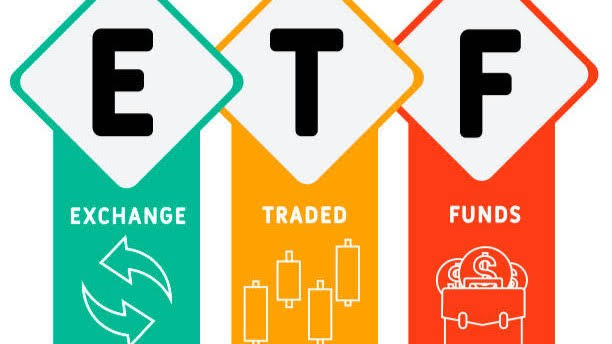
Some investors contribute to Nigerian equities, while others invest in global index funds, exchange-traded funds (ETFs), or U.S. stocks through regulated investment platforms.
Inflation and exchange-rate movements often encourage investors to build diversified portfolios rather than relying entirely on cash savings.
The exact investment amount is less important than maintaining consistency over many years.
Common Mistakes That Reduce the Effectiveness of Dollar-Cost Averaging
Several habits prevent investors from getting the full benefit of this strategy.
Avoid these mistakes:
- Stopping investments after markets fall.
- Increasing investments only after prices have already surged.
- Frequently changing investment plans.
- Investing without an emergency fund.
- Putting every contribution into a single stock.
- Checking portfolio values every day and reacting emotionally.
Patience remains one of the biggest advantages dollar-cost averaging offers.
Lump-Sum Investing vs. Dollar-Cost Averaging
Investors often ask which approach produces higher returns.
Research has shown that investing a lump sum immediately has historically outperformed dollar-cost averaging in many markets because the money spends more time invested.
That doesn’t mean lump-sum investing is always the better choice.
Many people feel uncomfortable investing a large amount all at once, especially during periods of market uncertainty.
Dollar-cost averaging offers psychological comfort while reducing the chance of investing everything immediately before a major market decline.
Choosing between the two depends on your financial situation, risk tolerance, and confidence in staying invested.
Making Dollar-Cost Averaging Part of Your Financial Routine
Success comes from treating investing like any other monthly expense.
Many investors schedule automatic contributions shortly after payday.
This creates consistency without requiring monthly decisions.
Over time, market fluctuations become less stressful because every decline represents another opportunity to purchase additional shares.
Wealth is rarely built through perfect timing.
It is more often built through disciplined habits repeated year after year.
Frequently Asked Questions
Is dollar-cost averaging suitable for beginners?
Yes. Beginners often benefit because it removes much of the pressure of deciding when to invest and encourages steady investing over time.
Can I use dollar-cost averaging with individual stocks?
Yes, although many investors prefer using diversified index funds or ETFs since they spread risk across many companies instead of relying on a single business.
How often should I invest?
Monthly investing is the most common approach because it aligns with salary payments, but weekly or quarterly investing can also work.
Does dollar-cost averaging guarantee profits?
No. Stock prices can fall, and losses are still possible. This strategy mainly reduces the risk of poor market timing rather than eliminating investment risk.
Should I stop investing during a market crash?
History suggests continuing regular investments during market declines often allows investors to buy more shares at lower prices, positioning them to benefit when markets recover.
ALSO READ: Latest Project Topics for ND Science Laboratory Technology Students in Nigeria
Discover more from 9jaPolyTv
Subscribe to get the latest posts sent to your email.