ARTICLES
How Warren Buffett’s Investment Strategy Can Help You Build Wealth
How Warren Buffett’s Investment Strategy Can Help You Build Wealth
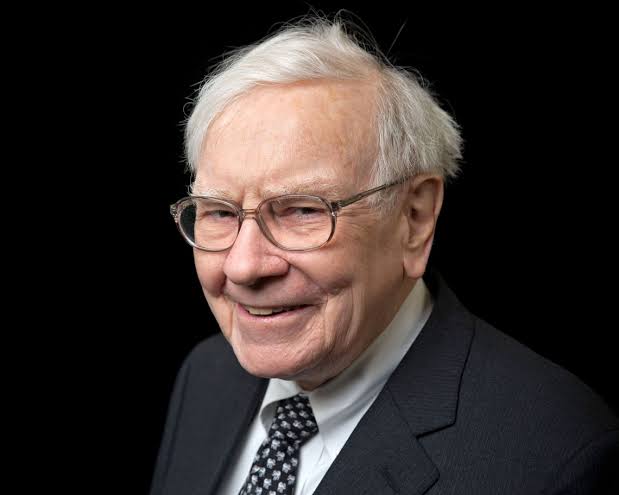
Few investors have earned the level of respect that Warren Buffett enjoys. Decades after making his first investment, he remains one of the world’s wealthiest people, yet many of the ideas that shaped his success are surprisingly simple.
People often assume Buffett became rich because he found secret investment opportunities unavailable to everyone else. The reality is far less mysterious. His fortune grew through disciplined investing, patience, careful business analysis, and allowing compound growth to work over many decades.

His methods have survived market crashes, recessions, inflation, technology booms, financial crises, and changing economic conditions. That consistency is one reason investors around the world continue studying his philosophy.
You don’t need billions of dollars to apply many of these principles. Individual investors can use the same mindset when building their own portfolios.
Buffett Invests in Businesses, Not Stock Prices
One of Buffett’s most quoted ideas is that when you buy a stock, you’re buying part of a business.
This perspective changes everything.
Instead of asking whether a stock price might rise next week, Buffett asks questions like:
- Does the company have a durable competitive advantage?
- Does it generate consistent profits?
- Can earnings continue growing over many years?
- Does management allocate capital wisely?
- Is the business easy to understand?
Daily market fluctuations become much less important when the focus shifts to the company’s long-term performance.
This mindset also reduces emotional decision-making during periods of market volatility.
He Prefers Companies With Lasting Competitive Advantages
Buffett often looks for businesses protected by what he famously calls an “economic moat.”
An economic moat is an advantage that makes it difficult for competitors to take customers away.
Examples include:
- Strong global brands
- Loyal customer bases
- Patented technology
- Cost advantages
- Powerful distribution networks
Consider The Coca-Cola Company.
Millions of people recognize the brand instantly.
Its products are sold in more than 200 countries and territories, and customer loyalty has remained remarkably strong for generations.
That type of competitive strength makes future earnings more predictable than businesses operating in highly competitive markets.
Buffett Doesn’t Chase Every Popular Investment
Speculative trends appear in every generation.
Technology booms.
Cryptocurrency rallies.
Artificial intelligence excitement.
Meme stocks.
Buffett has repeatedly avoided investments he doesn’t fully understand, even when they become extremely popular.
During the late 1990s internet bubble, many investors criticized him for avoiding technology stocks.
When the bubble burst in 2000, many of those highly valued companies lost most of their market value.
His discipline protected investors from heavy losses.
This doesn’t mean avoiding every new industry.
It means investing only after carefully evaluating the business.
Patience Has Been One of His Greatest Advantages
Buffett rarely buys stocks intending to sell them quickly.
His favorite holding period, according to one of his famous quotes, is “forever.”
That doesn’t mean he never sells.
It means he buys businesses capable of producing value for many years.
Long holding periods offer several advantages:
- More time for compound growth.
- Lower trading costs.
- Fewer emotional decisions.
- Less pressure to predict short-term market movements.
Many investors underestimate how much wealth patience alone can create.
Buffett Likes Businesses With Strong Financial Health
Financial strength plays an important role in Buffett’s investment decisions.
He generally favors companies with:
- Consistent earnings.
- Healthy cash flow.
- Manageable debt.
- High returns on equity.
- Reliable profitability.
Businesses with strong balance sheets often remain resilient during economic downturns.
Heavy debt, on the other hand, can create serious challenges when interest rates rise or economic activity slows.
Looking beyond exciting headlines and reviewing financial statements remains one of Buffett’s defining habits.
Price Still Matters
Buffett is often associated with value investing.
That doesn’t mean buying the cheapest stocks available.
Instead, he looks for outstanding businesses trading below what he believes they are worth.
A wonderful company purchased at an unreasonable price can still produce disappointing investment returns.
At the same time, a mediocre company isn’t automatically a bargain simply because its share price appears low.
This balance between business quality and valuation has shaped many of Buffett’s most successful investments.
Compound Growth Built Most of Buffett’s Fortune
Buffett began investing as a child.
His extraordinary wealth didn’t appear overnight.
Most of his net worth accumulated after age 50 because decades of compound growth steadily multiplied earlier investment gains.
This lesson surprises many investors.
Starting early often matters more than investing enormous amounts later.
Imagine two investors.
One begins investing at age 25.
Another waits until age 40 but invests larger monthly amounts.
The earlier investor may still accumulate greater wealth simply because investments had more years to compound.
Time has been one of Buffett’s greatest advantages.
Buffett Doesn’t Let Fear Control Investment Decisions
Markets occasionally experience sharp declines.
Many investors panic during these periods.
Buffett has often taken the opposite approach.
He has repeatedly invested in quality businesses when fear caused share prices to fall below their estimated value.
His famous advice to “be fearful when others are greedy and greedy when others are fearful” reflects disciplined thinking rather than emotional investing.
Buying during market declines requires confidence in the underlying business rather than focusing on temporary price movements.
Diversification Has a Different Role in Buffett’s Philosophy
Buffett has sometimes said that wide diversification becomes less necessary for investors who thoroughly understand the businesses they own.
Most individual investors, however, don’t have the time or experience to analyze dozens of companies in depth.
That’s one reason Buffett has publicly stated that many people would benefit from investing in low-cost index funds.
In fact, he has mentioned that much of the money intended for his family’s long-term benefit should be invested in a low-cost fund tracking the S&P 500.
This recommendation often surprises people who assume Buffett only supports buying individual stocks.
Nigerian Investors Can Apply Buffett’s Principles
Buffett’s philosophy works in any market because it focuses on business quality rather than geography.
Nigerian investors can apply these ideas by looking for companies with:
- Consistent earnings growth.
- Strong management.
- Sustainable competitive advantages.
- Reasonable valuations.
- Healthy financial statements.
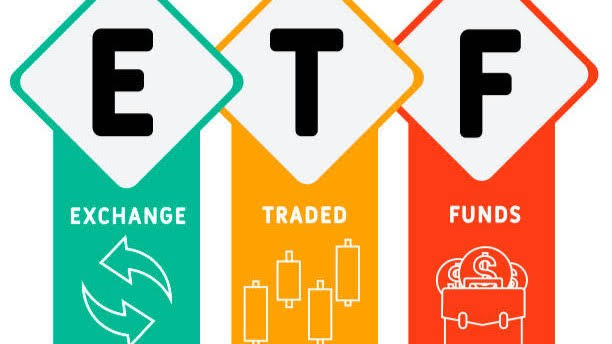
Those investing internationally can combine carefully selected companies with diversified ETFs or index funds.
Long-term thinking becomes especially valuable in environments affected by inflation and currency fluctuations.
Rather than chasing every trending investment, concentrating on quality businesses can produce more consistent results over time.
Common Mistakes Buffett Has Warned Investors About
Several investing habits repeatedly lead to disappointing results.
Avoid these mistakes:
- Buying stocks without researching the business.
- Investing based on social media excitement.
- Selling quality companies because markets become volatile.
- Ignoring company debt levels.
- Paying any price for popular stocks.
- Trading excessively instead of investing patiently.
- Following the crowd without independent analysis.
Discipline has always been a defining feature of Buffett’s investment philosophy.
Buffett’s Greatest Lesson Isn’t About Picking Stocks
Many people search for Buffett’s next investment.
The more valuable lesson comes from observing how he thinks.
He remains patient when others become impatient.
He studies businesses instead of chasing headlines.
He focuses on decades rather than weeks.
He values discipline over excitement.
Those habits have contributed far more to his success than any individual stock purchase.
Individual investors may never build a portfolio worth billions, but applying the same principles can improve long-term financial outcomes regardless of portfolio size.
Frequently Asked Questions
Does Warren Buffett only invest in value stocks?
No. Buffett looks for outstanding businesses trading at reasonable prices. His approach combines elements of value investing with an emphasis on business quality and long-term earnings growth.
Can beginners follow Buffett’s investment strategy?
Yes. Many of Buffett’s principles—such as investing consistently, avoiding emotional decisions, focusing on quality businesses, and thinking long term—are suitable for beginners.
Does Buffett recommend index funds?
Yes. Buffett has publicly stated that low-cost index funds tracking the S&P 500 are an excellent choice for many investors who don’t want to research individual companies.
How long does Buffett usually hold investments?
Buffett prefers holding exceptional businesses for many years. His investment decisions focus on long-term value rather than short-term price movements.
Is Buffett’s strategy still relevant today?
Yes. Although markets and industries continue evolving, Buffett’s focus on quality businesses, reasonable valuations, patience, and disciplined investing remains widely respected by investors around the world.
Discover more from 9jaPolyTv
Subscribe to get the latest posts sent to your email.