ARTICLES
Cocoa Processing Plant Setup in Nigeria: Equipment Cost, Factory Requirements, and Investment Returns
Cocoa Processing Plant Setup in Nigeria: Equipment Cost, Factory Requirements, and Investment Returns
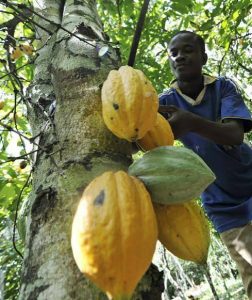
Raw cocoa bean exports generate revenue, yet real wealth in the cocoa industry lies in processing. Turning cocoa beans into cocoa butter, cocoa liquor, cocoa cake, and cocoa powder multiplies profit margins and opens access to industrial buyers in food manufacturing, cosmetics, and pharmaceuticals. Nigeria produces large volumes of cocoa annually, yet a substantial percentage is exported raw. Investors who establish cocoa processing plants locally capture higher value within the country while supplying both domestic and international markets.
Growing demand for chocolate products, beverage powders, bakery ingredients, and cosmetic formulations has increased the need for processed cocoa derivatives. Setting up a cocoa processing factory in Nigeria requires structured planning, capital investment, regulatory compliance, and reliable raw material sourcing. This article explains equipment costs, factory setup requirements, operational expenses, and expected return on investment.
Cocoa Processing Is More Profitable Than Raw Bean Trading
Processing adds value at every stage. Instead of selling cocoa beans at farm gate prices, processors extract multiple products from the same raw material. Cocoa butter commands premium pricing in cosmetics and chocolate manufacturing. Cocoa powder remains in high demand among beverage companies and bakery brands. Cocoa cake is processed further into powder, while cocoa liquor serves as a base for chocolate production.
Value addition increases revenue per metric ton. Local processing also reduces dependence on raw export and strengthens foreign exchange earnings through finished product exports.
Types of Cocoa Processing Products
A standard cocoa processing plant produces:
- Cocoa liquor
- Cocoa butter
- Cocoa cake
Cocoa powder
Advanced plants may also produce:
- Chocolate bars
- Industrial chocolate paste
- Alkalized cocoa powder
Product selection determines equipment type and investment size.
Cocoa Processing Plant Setup Requirements in Nigeria
Establishing a processing factory involves location selection, infrastructure development, machinery acquisition, and regulatory approvals.
1. Factory Location and Land
Industrial land near cocoa-producing states reduces transportation cost. Proximity to Lagos ports supports export logistics.
Land cost varies by state:
- Ogun State industrial zones: ₦15 million – ₦40 million per plot
- Ondo industrial areas: ₦10 million – ₦25 million
- Lagos outskirts: ₦25 million – ₦60 million
A small-to-medium processing plant requires adequate space for machinery, storage, packaging, and administrative offices.
2. Factory Building and Infrastructure
Construction cost depends on plant size and automation level.
Estimated building and civil works cost: ₦80 million – ₦250 million
Infrastructure includes:
- Production hall
- Raw material warehouse
- Finished goods warehouse
- Power supply installation
- Water treatment system
- Drainage and waste management
Stable electricity supply is essential because cocoa processing machines consume heavy power.
3. Cocoa Processing Equipment and Machinery Cost
Core machinery required includes:
- Cocoa bean cleaner
- Roasting machine
- Cracking and winnowing machine
- Grinding machine
- Hydraulic cocoa butter press
- Pulverizer for cocoa powder
- Cake breaker
- Conveying system
Packaging machine
Estimated machinery cost in 2026:
- Small-scale plant (1–2 tons per day): ₦120 million – ₦250 million
- Medium-scale plant (5 tons per day): ₦300 million – ₦600 million
- Large industrial plant (10+ tons per day): ₦1 billion and above
Imported European equipment costs more but offers higher automation and durability. Locally fabricated machines reduce startup cost but may require more maintenance.
4. Licensing and Regulatory Approvals
Processing factories must comply with regulatory standards before operations begin.
Required registrations include:
- Corporate Affairs Commission registration
- National Agency for Food and Drug Administration and Control certification
- Standards Organisation of Nigeria compliance
- Federal Inland Revenue Service tax registration
- Export license for international sales
Food safety certification improves eligibility for international supply contracts.
5. Working Capital Requirement
Working capital covers raw cocoa bean purchase, staff salaries, electricity, packaging materials, and transportation.
Raw cocoa purchase example:
- 5 tons per day × ₦6,500 per kg
- Daily raw material cost: ₦32.5 million
Monthly raw material requirement may exceed ₦900 million depending on production scale.
Staff salaries, maintenance, and utilities may require ₦20 million – ₦50 million monthly for medium-scale plants.
Revenue Projection and Profit Potential
Revenue depends on product mix and international market pricing.
From 1 metric ton of cocoa beans, processors obtain approximately:
- 800 kg cocoa liquor
- 400 kg cocoa butter (depending on fat content)
- Cocoa cake processed into powder
Cocoa butter commands higher international price compared to raw beans. Cocoa powder demand remains strong in beverage production.
Example revenue estimate per ton:
If total processed output generates ₦10 million equivalent revenue from 1 ton, and raw material cost is ₦6.5 million, gross margin before overhead may reach ₦3.5 million per ton. Large plants processing 100 tons monthly may generate strong cash flow. Actual profit depends on efficiency, export contracts, and currency exchange rates.
Electricity and Power Considerations
Cocoa processing requires stable energy supply. Many factories operate with industrial generators or independent power solutions due to grid instability.
Estimated power installation cost: ₦30 million – ₦150 million depending on capacity.
Energy cost must be factored into production pricing to maintain profit margin.
Export Opportunity for Processed Cocoa
Processed cocoa products attract higher foreign exchange earnings than raw beans. European and Asian markets demand cocoa butter and powder for chocolate manufacturing. Exporting finished products improves national value retention and boosts corporate revenue.
Exporters must meet strict quality and food safety standards. Packaging must comply with international labeling requirements.
Risk Factors in Cocoa Processing Investment
Major risks include:
- Raw material price volatility
- Power supply instability
- Machine breakdown
- Global cocoa price fluctuations
- Export logistics delays
Professional maintenance schedules and diversified buyer networks reduce operational risk.
Return on Investment Timeline
Small-scale plants may break even within 3 to 5 years depending on sales volume and debt structure. Medium and large plants require higher capital but generate stronger long-term revenue once export contracts stabilize.
Cocoa processing plants operate year-round if raw material supply remains consistent. Long-term contracts with farmer cooperatives secure steady input supply.
Is Cocoa Processing Plant Worth Investing in 2026?
Nigeria’s increasing cocoa production and growing global chocolate demand create favorable conditions for processing investments. Value addition multiplies revenue compared to raw export. Investors with strong capital base and structured management approach can build profitable agro-industrial businesses in this sector.
Processing strengthens local manufacturing capacity and positions companies for international trade expansion. Long-term profitability depends on efficient operations, reliable sourcing, and strong buyer relationships.
Discover more from 9jaPolyTv
Subscribe to get the latest posts sent to your email.















 EDUCATION1 hour ago
National Convention 2026: NANC Holds High-Level Congress Meeting, Unveils Plans and New Committees
- POLYTECHNIC NEWS48 minutes ago
Federal Polytechnic Oko Hosts Maiden International Hybrid Conference on National Branding and Economic Growth
- POLYTECHNIC NEWS44 minutes ago
Federal Polytechnic Oko Organises Two-Day Research Methodology Training for Students
- ASUP34 minutes ago
ASUP Federal Polytechnic Ohodo Chapter Commends Management, Seeks Improved Staff Welfare and Institutional Support
- POLYTECHNIC NEWS24 minutes ago
Federal Polytechnic Ohodo Strengthens Safety Partnership as Fire Service Pays Familiarization Visit
- POLYTECHNIC NEWS27 minutes ago
Federal Polytechnic Ohodo Management Visits UNN Vice-Chancellor, Seeks Stronger Academic Partnership
- POLYTECHNIC NEWS30 minutes ago
Federal Polytechnic Ohodo Hosts Successful TETFund-Sponsored Career Skills Training for Students and Staff
- Admission21 minutes ago
Federal Polytechnic Offa Announces Admission into HND Full-Time, ODFEL and ND Part-Time Programmes for 2026/2027 Academic Session