
ARTICLES
White vs. Brown Eggs: Is There Really a Difference? A Dietitian Explains
White vs. Brown Eggs: Is There Really a Difference? A Dietitian Explains
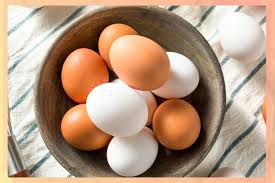
Walking through the egg aisle can feel surprisingly complicated. From labels like “organic” and “cage-free” to the color of the shells—white, brown, even speckled—it’s easy to wonder what really matters. Are brown eggs healthier than white ones? Does yolk color affect nutrition? Or is it just clever marketing?
To get clarity, we spoke with a registered dietitian who broke down the differences and explained what you should actually pay attention to when buying eggs.
How Nutritious Are Eggs?
Eggs are one of the most nutrient-packed foods you can buy. A large egg has roughly:
- 74 calories
- 6 grams of protein
- 5 grams of fat
- Less than 1 gram of carbs
According to the USDA, eggs are rich in:
- Vitamin A
- Biotin (Vitamin B7)
- Antioxidants like lutein and zeaxanthin
- Choline, an essential nutrient especially important during pregnancy for fetal brain development
There’s also cholesterol—about 207 milligrams per large egg, primarily in the yolk. However, recent studies suggest that the cholesterol found in eggs is no longer the dietary villain it was once made out to be. The bigger concern, according to dietitians, is saturated and trans fats—not eggs, which contain very little of either.
So, What’s the Deal With Brown vs. White Eggs?
The color of an eggshell has nothing to do with its nutrition. Instead, it’s purely genetic—it depends on the breed of the hen. For example:
- White eggs typically come from white-feathered hens with white earlobes.
- Brown eggs come from brown-feathered hens with red earlobes.
You might also notice differences in yolk color—from pale yellow to deep orange. Again, it’s not about nutrition, but the bird’s diet. Hens fed with marigold petals or carotenoid-rich feed tend to produce eggs with darker yolks. A more vibrant yolk may look richer, but it doesn’t necessarily mean it’s healthier.
What Do Egg Carton Labels Really Mean?
Beyond shell color, the labels on egg cartons can offer insight into the living conditions of the hens and the quality of the eggs. Here’s what each term means:
Grade AA, A, or B
These grades refer to egg quality. Grade AA is the highest, with firm whites and high, round yolks. Grades are based on criteria like shell cleanliness, air cell size, and the consistency of the yolk and white.
Organic
For eggs to be labeled organic, the hens must be fed a diet that meets USDA National Organic Program standards. This means no synthetic pesticides or GMOs in their feed. The hens must also have access to outdoor spaces.
Cage-Free
These hens aren’t confined to cages and can roam indoors. However, “cage-free” doesn’t always mean spacious—overcrowding can still be a concern.
Free-Range
Free-range hens are cage-free and have some access to the outdoors. But the amount of outdoor time and space can vary widely, depending on the farm.
Pasture-Raised
These hens have the most freedom. They live outdoors with access to grass and insects, mimicking a natural environment. This label suggests better living conditions and often higher-quality eggs.
What Should You Choose?
When selecting eggs, here are some things to consider:
- Nutritional content is consistent across most eggs, regardless of color.
- Yolk color is influenced by the hen’s feed, not nutritional value.
- Labels like “organic” and “pasture-raised” tell you more about animal welfare and farming practices than the egg’s nutrition.
If your priority is animal welfare, pasture-raised or certified organic eggs may be worth the extra cost. If you’re focused purely on nutrition, shell color and label type won’t make a huge difference.
Discover more from 9jaPolyTv
Subscribe to get the latest posts sent to your email.