
ARTICLES
The Best Debt Repayment Strategies for Nigerians
The Best Debt Repayment Strategies for Nigerians
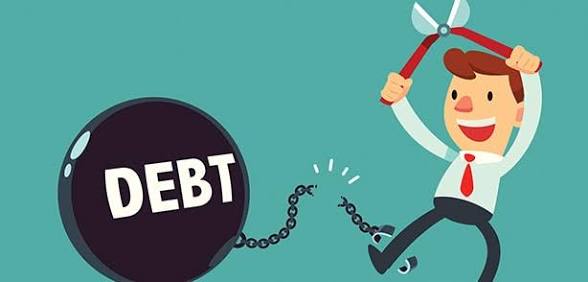
Debt is not always a bad thing. A business loan can help expand a company. An education loan can create better career opportunities. A cooperative loan may help someone handle an emergency or achieve an important financial goal. Problems usually begin when debt grows faster than income or when repayments consume a large portion of monthly earnings.
Across Nigeria, many workers, business owners, and self-employed professionals are juggling multiple financial obligations at the same time. Cooperative loans, salary advances, digital lending apps, bank loans, borrowed money from family members, and informal credit arrangements can quickly become difficult to manage.
Paying off debt successfully is not about making random payments whenever money becomes available. A structured repayment strategy often produces faster results, lowers financial stress, and reduces the amount of interest paid over time.
1. Create a Complete Debt Inventory Before Taking Action
Many people know they owe money but do not have a complete picture of their financial obligations.
One loan may be deducted directly from salary. Another may be due monthly. A friend may be expecting repayment. A lending app may have a different repayment schedule. Without a clear overview, it becomes difficult to develop an effective plan.
Start by listing every debt you owe. Include the lender, outstanding balance, monthly payment, interest rate, and repayment deadline. This exercise often reveals opportunities and challenges that were previously hidden.
A sales executive in Lagos once believed his debt was manageable until he documented every obligation. Seeing the full picture allowed him to identify the debts causing the greatest financial pressure and prioritize them accordingly.
Financial clarity is often the first step toward financial recovery.
2. Use the Debt Snowball Method to Build Momentum
The debt snowball method focuses on paying off the smallest debt first while maintaining minimum payments on all other obligations.
Once the smallest debt is eliminated, the amount previously used for that payment is added to the next smallest debt. The process continues until every balance has been cleared.
This strategy is popular because it creates visible progress quickly. Eliminating debts one by one generates motivation and helps people stay committed to the repayment process.
Imagine someone owing:
- ₦40,000 to a friend
- ₦90,000 on a lending app
- ₦250,000 on a cooperative loan
The debt snowball method would target the ₦40,000 debt first. Once cleared, the payment amount is redirected toward the ₦90,000 balance, accelerating progress.
The emotional boost from clearing debts can be surprisingly powerful.
3. Use the Debt Avalanche Method to Reduce Interest Costs
The debt avalanche method takes a different approach.
Instead of focusing on the smallest balance, this strategy prioritizes the debt with the highest interest rate. Minimum payments continue on all other debts while extra funds are directed toward the most expensive obligation.
This approach often saves money because high-interest debt stops accumulating charges sooner.
A borrower with a bank loan charging a higher interest rate than a cooperative loan may decide to attack the bank loan first, even if the balance is larger. Over time, the reduced interest burden can shorten the overall repayment journey.
People who are motivated by numbers and efficiency often prefer this method because it maximizes financial savings.
4. Consolidate Debt When It Makes Financial Sense
Managing multiple repayments can become overwhelming.
Different due dates, interest rates, lenders, and repayment schedules increase the risk of missed payments and financial confusion. In some cases, consolidating debt into a single loan can simplify the process.
Suppose a worker has three separate debts with relatively high interest rates. Obtaining one lower-interest loan to clear all three balances could reduce monthly payments and make budgeting easier.
This strategy requires careful evaluation. Consolidation should improve your financial position, not simply extend repayment periods while increasing total costs.
The numbers should always be reviewed carefully before making such a decision.
5. Direct Windfalls Toward Debt Reduction
Many people receive occasional financial boosts throughout the year.
Bonuses, commissions, side-business income, gifts, tax refunds, project payments, and profit-sharing distributions often create opportunities to accelerate debt repayment.
Unfortunately, unexpected income frequently disappears through impulse spending.
A civil servant who receives a ₦150,000 bonus and applies ₦100,000 toward an outstanding loan can reduce months of future repayments in a single transaction. The impact is often far greater than spending the same amount on temporary wants.
Windfalls have the potential to transform debt repayment timelines when used strategically.
6. Negotiate Better Terms When Necessary
Many borrowers assume loan terms are fixed forever.
In reality, some lenders may be willing to discuss repayment schedules, restructuring options, or revised payment arrangements when borrowers communicate early and honestly.
Someone experiencing temporary financial difficulties may be able to negotiate a more manageable repayment plan rather than falling into default. This is especially important when dealing with larger obligations.
Ignoring lenders often creates bigger problems. Early communication can sometimes prevent penalties, legal complications, and unnecessary stress.
A conversation today may solve problems that become much harder to fix later.
7. Avoid Using New Loans to Solve Old Debt Problems
One of the most dangerous debt habits is repeatedly borrowing to repay existing debt.
Initially, this may appear to provide relief. The old debt disappears, but a new obligation takes its place. Over time, multiple refinancing cycles can leave borrowers trapped in a pattern that becomes increasingly difficult to escape.
A trader who uses one lending app to repay another may experience temporary relief but often ends up paying additional fees and interest charges.
Debt repayment should move you toward freedom, not toward a different version of the same problem.
Whenever possible, focus on reducing balances rather than continuously replacing them.
8. Increase Income While Reducing Debt
Many debt repayment discussions focus entirely on spending cuts.
Although reducing expenses can help, income growth often creates even greater opportunities. Additional earnings provide more money that can be directed toward outstanding obligations without creating severe lifestyle restrictions.
A teacher who offers weekend tutoring, a graphic designer who accepts freelance projects, or a fashion entrepreneur who expands customer orders may generate extra income specifically for debt repayment.
An additional ₦30,000 monthly directed entirely toward loans creates ₦360,000 in extra repayments over a year. Few expense reductions can match that impact.
Combining higher income with disciplined repayment habits often produces the fastest results.
9. Protect Yourself From Returning to Debt
Clearing debt is a major achievement, but remaining debt-free requires preparation.
Many people eliminate their balances only to return to borrowing when unexpected expenses arise. The absence of emergency savings leaves them vulnerable to financial shocks.
Building an emergency fund while paying off debt can reduce this risk. Even a modest reserve provides protection against common disruptions such as medical expenses, vehicle repairs, damaged devices, or urgent family obligations.
Financial stability becomes easier to maintain when emergencies stop becoming debt emergencies.
10. Focus on Long-Term Financial Freedom
Debt repayment can sometimes feel slow, especially when balances are large.
Months of disciplined payments may appear insignificant when viewed individually. Yet every repayment reduces financial pressure and creates more room for future opportunities.
Money currently used for debt can eventually be redirected toward investments, business expansion, home ownership, education, retirement planning, and wealth creation.
A person who becomes debt-free gains something valuable beyond the numbers: control. Future income belongs to them rather than creditors.
The most effective debt repayment strategy is often the one you can follow consistently. Progress may be gradual, but every payment moves you closer to a stronger financial position and greater peace of mind.
ALSO READ: NELFUND Loans vs Scholarships: Which is Better for Nigerian Students
Discover more from 9jaPolyTv
Subscribe to get the latest posts sent to your email.






-
 POLYTECHNIC NEWS16 hours ago
Infrastructure Transformation Gains Momentum as Federal Polytechnic Oko Rector Inspects Major Development Projects
-
 POLYTECHNIC NEWS16 hours ago
Federal Polytechnic Oko Medical Centre Undergoes Major Transformation to Deliver Quality Healthcare Services
-
 POLYTECHNIC NEWS16 hours ago
Federal Polytechnic Oko Wins Inter-University Insurance Quiz Competition at UNIZIK Insurance Week 2026