
ARTICLES
How to Pay Off Debt Fast Even If You’re Living on a Small Salary
How to Pay Off Debt Fast Even If You’re Living on a Small Salary
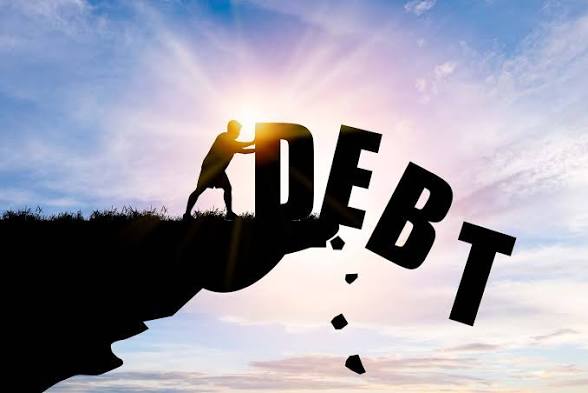
Debt has a way of making even a decent salary feel inadequate.
The month begins with optimism. Your salary arrives, plans are made, and then reality appears. Loan repayments, borrowed money from friends, outstanding bills, and overdue obligations immediately claim a portion of your income. Before long, you are counting down the days until the next payday.
Many people assume paying off debt quickly requires a large income. While higher earnings certainly help, income alone is not the deciding factor. Plenty of high earners remain trapped in debt for years, while some people on modest salaries manage to clear their obligations much faster than expected.
The difference often comes down to strategy, discipline, and a willingness to make temporary sacrifices that create long-term financial freedom.
1. Face the Full Reality of What You Owe
Many people avoid calculating their total debt because the number feels uncomfortable.
They know they owe money but prefer not to see the complete picture. Unfortunately, avoiding the numbers does not reduce the debt. It simply makes planning more difficult.
Start by writing down every obligation. Include bank loans, cooperative loans, salary advances, borrowed money from friends and relatives, credit purchases, and any other outstanding balances. Alongside each debt, note the repayment amount, due date, and interest rate if applicable.
A young professional in Lagos once believed his debt situation was manageable until he listed everything on paper. The total was far higher than expected. Although the realization was unpleasant, it became the turning point that helped him create a realistic repayment plan.
Clear information allows better decisions.
2. Stop Creating New Debt While Paying Off Existing Debt
Many people attempt to repay debt while continuing the habits that created the debt in the first place.
This often leads to a frustrating cycle. A loan gets partially repaid, another loan is taken, and overall progress remains minimal. The person feels busy but never actually gets ahead.
Debt repayment becomes much easier when new borrowing is paused. This may require adjusting spending habits, reducing unnecessary expenses, and becoming more intentional with purchases.
A worker earning ₦180,000 monthly may struggle initially when trying to live within income limits. Yet every month without additional borrowing creates room for genuine progress. Paying off debt while accumulating new debt is like trying to fill a bucket that has a hole at the bottom.
3. Build a Small Emergency Buffer First
Many people direct every available naira toward debt and then encounter an unexpected expense.
A medical bill, vehicle repair, damaged phone, or urgent family obligation appears, leaving no choice but to borrow again. The debt cycle starts over.
Creating a modest emergency reserve before aggressively attacking debt can prevent this problem. The amount does not need to be large. Even a small fund capable of handling common emergencies can reduce dependence on borrowing.
A civil servant in Ibadan saved ₦50,000 before accelerating debt repayments. Months later, when a sudden medical expense arose, she used the emergency fund instead of taking another loan. That single decision prevented a setback that could have delayed her progress significantly.
Debt repayment becomes more sustainable when unexpected expenses have somewhere else to go.
4. Choose a Repayment Method and Stick With It
People often make faster progress when they follow a structured approach rather than making random payments.
One popular method focuses on paying off the smallest debt first while maintaining minimum payments on others. Each debt cleared creates momentum and motivation.
Another approach targets the debt with the highest interest rate first. This method often reduces total interest costs and can save money over time.
Imagine someone owing ₦50,000 to a friend, ₦120,000 on a cooperative loan, and ₦300,000 on a bank loan. Clearing the smallest balance first may create psychological encouragement, while focusing on the highest-interest debt may reduce overall repayment costs.
Neither method is universally superior. The important thing is choosing one and remaining consistent.
5. Increase Payments Whenever Extra Income Arrives
Many people receive occasional financial boosts throughout the year.
Bonuses, commissions, side-business profits, freelance income, gifts, and other windfalls provide opportunities to accelerate debt repayment dramatically. Unfortunately, these funds are often spent immediately rather than used strategically.
A teacher who earns an extra ₦30,000 monthly from private lessons could direct that income entirely toward debt. Over twelve months, this creates ₦360,000 in additional repayments without touching the primary salary.
Temporary income increases can have a permanent impact when used to reduce financial obligations.
Large debt balances often shrink much faster than expected when every extra source of income is directed toward repayment.
6. Cut Expenses That Do Not Improve Your Life
Debt repayment requires resources, and those resources usually come from one of two places: increased income or reduced spending.
Not every expense deserves equal protection during a debt payoff period. Some purchases provide genuine value and improve daily life. Others simply consume money without delivering meaningful benefits.
Review recent spending and identify areas where money can be redirected. Frequent food deliveries, impulse online shopping, excessive entertainment spending, and unused subscriptions often provide opportunities for savings.
A banker in Abuja reduced restaurant spending and redirected the difference toward debt repayments. The adjustment felt manageable because it targeted low-value spending rather than activities she genuinely enjoyed.
Temporary spending changes can create long-term financial freedom.
7. Avoid Minimum Payments Whenever Possible
Minimum payments may keep creditors satisfied, but they often keep borrowers in debt for much longer than necessary.
Interest continues accumulating while progress remains slow. Someone making only minimum repayments can spend years paying off balances that could have been cleared much earlier with slightly larger contributions.
Even modest increases can make a noticeable difference. Adding an extra ₦5,000 or ₦10,000 to monthly repayments may shorten repayment periods substantially.
A worker paying ₦25,000 monthly toward a loan might discover that increasing payments to ₦35,000 eliminates the debt months earlier than expected. Small increases often produce larger benefits than people realize.
8. Do Not Let Social Pressure Delay Your Progress
Debt repayment sometimes requires saying no.
Friends may invite you to expensive outings. Social events may create pressure to spend beyond your means. Family members may not fully understand your financial priorities.
Many people remain trapped in debt because they continue trying to maintain appearances while struggling financially behind the scenes.
A young graduate paying off loans may decide to reduce social spending temporarily. While the adjustment can feel uncomfortable, the reward is greater financial freedom later.
Most people admire financial success, but few see the disciplined choices that made it possible.
9. Celebrate Progress Without Losing Momentum
Paying off debt can take months or even years depending on the amount owed.
Recognizing progress along the way helps maintain motivation. Clearing a small loan, reaching a repayment milestone, or reducing total debt by half are achievements worth acknowledging.
The celebration, however, should not reverse the progress. Taking another loan to reward yourself defeats the purpose.
Simple rewards that fit your financial situation can provide encouragement while keeping the larger goal intact.
Every balance reduced and every debt eliminated moves you closer to a future where your salary belongs to you rather than your creditors.
10. Focus on the Freedom Waiting on the Other Side
Debt repayment is not merely about numbers on a spreadsheet.
Every debt cleared creates more flexibility, less stress, and greater control over your finances. Money previously used for repayments can be redirected toward savings, investments, business opportunities, family goals, or personal ambitions.
Someone who spends years servicing debt often feels an enormous sense of relief after making the final payment. The financial breathing room that follows can transform future opportunities.
Living on a small salary may make the journey slower, but it does not make success impossible. Consistent repayments, disciplined spending, and strategic financial decisions can gradually eliminate debt and create a much stronger financial future.
ALSO READ: How to Pay Off Debt Faster Without Earning More Money
Discover more from 9jaPolyTv
Subscribe to get the latest posts sent to your email.




-
 POLYTECHNIC NEWS16 hours ago
Infrastructure Transformation Gains Momentum as Federal Polytechnic Oko Rector Inspects Major Development Projects
-
 POLYTECHNIC NEWS16 hours ago
Federal Polytechnic Oko Medical Centre Undergoes Major Transformation to Deliver Quality Healthcare Services
-
 POLYTECHNIC NEWS16 hours ago
Federal Polytechnic Oko Wins Inter-University Insurance Quiz Competition at UNIZIK Insurance Week 2026