ARTICLES
How to Remove Negative Items From Your Credit Report Legally
How to Remove Negative Items From Your Credit Report Legally
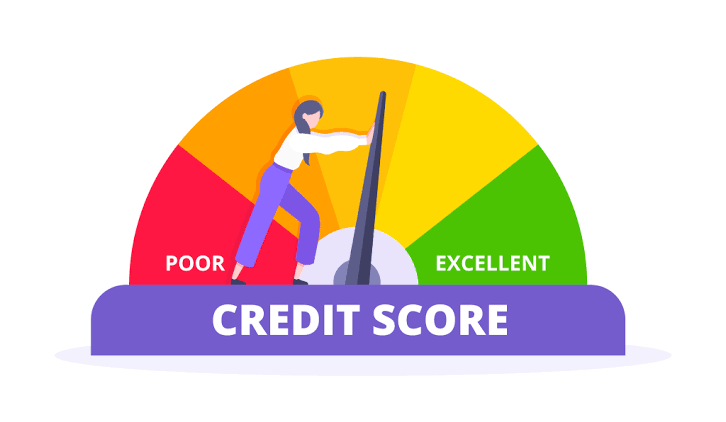
A credit report can quietly carry old mistakes for years. Late payments, loan defaults, collections, and even errors that don’t belong to you can sit there dragging down your score and affecting loan approvals. Many Nigerians only notice the impact when a bank, fintech lender, or mortgage provider rejects an application or offers a loan at a very expensive rate.
Negative items are not always permanent. Some can be corrected, some can be disputed, and others can lose impact over time depending on how they are handled. The goal is not shortcuts, but using lawful methods that credit bureaus and lenders recognize.
1. Start by Pulling Your Full Credit Report
Everything begins with visibility.
What to check carefully
Look through each section: loans, credit cards, repayment history, outstanding balances, and personal details.
What often shows up in Nigerian credit files
Duplicated loan entries, outdated balances from fintech lenders, and accounts marked unpaid even after settlement.
A clear review helps separate real problems from reporting errors before any action is taken.
2. Challenge Incorrect Information Through Formal Disputes
Credit bureaus are required to investigate claims that information is wrong.
What qualifies for dispute
Accounts you never opened, wrong repayment status, incorrect loan balances, or duplicated records.
Supporting documents that help
Bank statements, repayment receipts, loan closure confirmations, and communication with lenders.
Once verified as incorrect, such entries can be corrected or removed from your report.
3. Fix Identity Errors That Affect Your File
Small identity mismatches can cause major reporting issues.
Common problems
Wrong spellings of names, mismatched BVN details, or outdated phone numbers linked to credit accounts.
Why correction matters
When identity data is inconsistent, positive credit history may not be fully connected to your profile.
Cleaning up personal details ensures your report reflects accurate financial activity.
4. Negotiate With Lenders on Older Debts
Some negative entries come from unsettled accounts or collections.
What lenders may allow
Payment plans, settlement agreements, or “paid in full” updates after negotiation.
Important reality
While payment may not erase history instantly, updated status can reduce long-term damage and improve how future lenders view your profile.
5. Request Goodwill Adjustments Where Applicable
Some lenders may adjust reporting based on customer history.
When this works best
If the late payment was a one-time issue and the account has been consistently well managed since.
How to approach it
A polite request explaining the situation and showing strong repayment behavior after the incident.
Approval is not guaranteed, but some institutions do consider it.
6. Wait Out Time-Based Credit Impact
Not every negative item can be removed immediately.
What naturally fades over time
Old late payments and past delinquencies gradually lose influence as newer positive history builds up.
What this means in real life
A borrower who maintains strong repayment habits after past mistakes often sees those older issues matter less over time.
7. Settle Outstanding Debts That Are Still Active
Unpaid balances can keep hurting credit performance.
Why this matters
Active collections or unpaid loans continue to signal risk to lenders.
Action that helps
Clearing small debts, negotiating repayment terms, or closing outstanding balances can improve credit standing faster than waiting.
8. Avoid Illegal Credit Repair Tricks
Some services promise instant deletion of accurate negative records.
Warning signs
Claims of guaranteed removal, fake disputes, or “clean credit overnight” promises.
Real situation
Legitimate credit systems do not allow permanent removal of accurate information unless it is proven wrong or outdated under reporting rules.
Staying within legal channels protects you from future financial problems.
9. Monitor Changes After Every Correction
Removing or fixing negative items is not the final step.
What to watch
Updated credit reports, corrected balances, and improved score movement after each adjustment cycle.
Why it matters
Some corrections reflect within weeks, while others take longer depending on lender reporting timelines.
10. Build Positive History Alongside Clean-Up Efforts
Removing negative items alone is not enough to sustain a strong score.
What strengthens your profile
On-time payments, low credit utilization, and responsible borrowing habits.
Long-term effect
A credit report with strong recent activity gradually outweighs older negative records, improving approval chances for loans, mortgages, and business financing.
ALSO READ: How to Remove Your BVN from Loan Apps in Nigeria and Protect Your Financial Privacy
Discover more from 9jaPolyTv
Subscribe to get the latest posts sent to your email.