ARTICLES
Credit Score Hacks Financial Experts Don’t Talk About
Credit Score Hacks Financial Experts Don’t Talk About
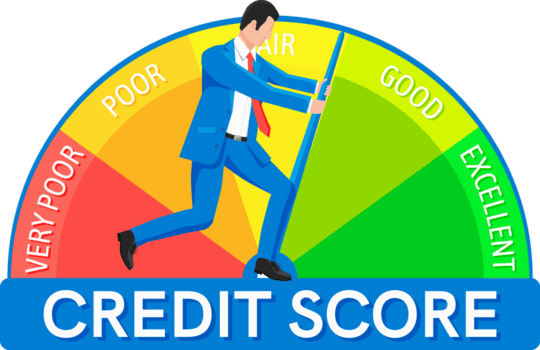
Credit scores often look like something controlled only by banks and credit bureaus, but everyday financial behavior plays a much bigger role than most people realize. Many “quiet strategies” used by financially disciplined individuals are not widely discussed in public advice, yet they can influence credit profiles over time.
In Nigeria, where digital lending apps, bank loans, rent verification, and business financing are becoming more data-driven, small adjustments in financial habits can shape approval chances and interest rates more than expected.
1. Timing Your Payments Instead of Just Paying on Time
Most people focus on avoiding late payments, but timing can influence credit utilization.
What lenders see
Credit cards and loan accounts are often reported at specific billing cycles.
Smarter approach
Paying down balances before statement closing dates can show lower utilization, which may reflect more positively than paying only on due dates.
2. Keeping Old “Inactive” Accounts Alive
Closing unused accounts feels like financial discipline, but it can reduce credit strength.
Hidden effect
Older accounts contribute to credit history length and overall credit stability.
Better move
Keeping old accounts open with minimal or no usage helps maintain a stronger credit age profile.
3. Using Small, Controlled Credit Activity
Some borrowers avoid credit completely after experiencing problems, but that can slow recovery.
What helps credit rebuild
Small, manageable borrowing with consistent repayment builds fresh positive history.
Example behavior
Low-limit loans or small credit purchases repaid quickly can gradually improve repayment records.
4. Requesting Credit Limit Reviews Periodically
Many people never ask for higher limits, even when eligible.
Why it works
Higher limits reduce credit utilization without increasing spending.
Practical impact
A borrower with ₦200,000 outstanding on a ₦500,000 limit appears more exposed than someone with the same balance on a ₦1,000,000 limit.
5. Spreading Credit Usage Across Accounts
Concentrating debt on one account can affect utilization ratios.
Smarter distribution
Using multiple credit lines moderately instead of maxing out one account can improve credit appearance.
What lenders notice
Balanced credit usage suggests stronger financial control.
6. Avoiding “Zero Balance Silence”
Many assume leaving credit cards unused is best.
Hidden downside
Completely inactive accounts may not generate positive reporting activity.
Better approach
Occasional small purchases followed by full repayment keeps accounts active and positively reporting.
7. Paying Off Small Debts Before Large Ones in Some Cases
Debt repayment is usually about interest rates, but credit scoring reacts differently.
Credit behavior insight
Clearing small overdue balances quickly removes negative entries faster from reports.
Psychological advantage
It reduces the number of active negative accounts showing on your profile.
8. Using Utility and Subscription Payments to Build History
Not all credit-building comes from loans.
What can help
Some utility payments, telecom subscriptions, and digital services now contribute to financial history tracking.
Why it matters
Consistent bill payments can strengthen overall financial reliability signals.
9. Avoiding Multiple Loan Applications Within Short Periods
Each loan application can trigger a credit inquiry.
Hidden cost
Too many inquiries within a short window may signal financial stress.
Better timing
Spacing applications improves the appearance of stability to lenders.
10. Maintaining Stability Before Applying for Major Loans
Credit systems often reward consistency more than short bursts of improvement.
What lenders prefer
Steady repayment behavior over several cycles rather than sudden changes right before applying.
Practical advantage
A stable profile often receives better loan terms than one that changes behavior only temporarily.
11. Monitoring Credit Reports More Frequently Than Once a Year
Many people check credit only when applying for loans.
Risk of waiting too long
Errors or fraudulent activity can remain unnoticed.
Better habit
Regular checks help catch issues early before they affect loan approvals or interest rates.
ALSO READ: Top Budgeting Hacks for Nigerian Students Living in Hostels
Discover more from 9jaPolyTv
Subscribe to get the latest posts sent to your email.