ARTICLES
How to Improve Your Credit Score Quickly and Safely
How to Improve Your Credit Score Quickly and Safely
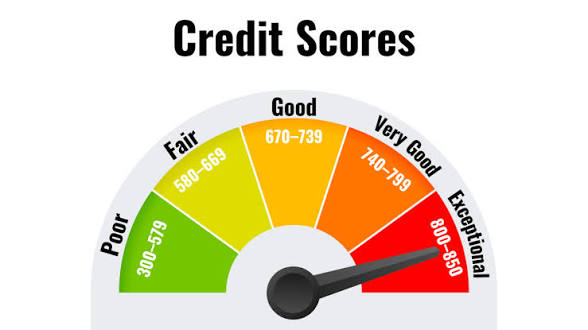
A low credit score has a way of showing up at the worst possible moment. Many people only start paying attention to it when a loan application is rejected, a credit card request is declined, or a lender offers interest rates that seem unfairly high. The frustration becomes even greater when someone has been making payments regularly but still struggles to qualify for better financial opportunities.
Credit scores influence much more than borrowing. They can affect loan approvals, credit card limits, mortgage applications, and the interest rates attached to financial products. A stronger score often translates into lower borrowing costs and greater financial flexibility.
Many people assume improving a credit score takes years. While lasting credit improvement does require consistency, several actions can produce noticeable results faster than most people realize. The secret is focusing on the factors that have the greatest impact while avoiding shortcuts that create long-term problems.
1. Review Your Credit Report Before Making Any Changes
Many people rush into credit repair efforts without first knowing what is actually affecting their score. That approach is similar to trying to fix a car without identifying the faulty part.
Start by reviewing your credit report carefully. Look for missed payments, incorrect account balances, duplicate debts, outdated information, or accounts that do not belong to you. Errors are more common than many borrowers expect, and even a small mistake can lower a score unnecessarily.
A borrower who discovers an inaccurate late payment or an account wrongly reported as unpaid may be able to have the information corrected. Once verified and updated, the credit score can improve without making any additional payments. This makes a credit report review one of the fastest and most cost-effective steps available.
2. Bring Overdue Accounts Up to Date Immediately
Payment history carries enormous weight in most credit scoring systems. A single missed payment may remain on a credit report for years, and repeated late payments can cause even greater damage.
Anyone trying to improve a score should prioritize bringing overdue accounts current as quickly as possible. Lenders and credit bureaus view recent payment behavior as a strong indicator of financial responsibility. Even if old mistakes remain visible, showing consistent current payments can gradually rebuild trust.
Someone with multiple overdue accounts may not be able to clear everything at once. In that situation, creating a structured repayment plan and contacting lenders to discuss available options can help stop additional negative reporting while restoring control over finances.
3. Reduce Credit Card Balances Aggressively
One of the fastest ways to improve a credit profile is lowering credit utilization. This refers to the percentage of available credit currently being used.
Imagine a credit card with a limit of ₦500,000 carrying a balance of ₦450,000. Even if payments are made on time, lenders may view that level of usage as risky because most of the available credit is already occupied.
Reducing balances can have a noticeable impact on scores within a relatively short period. Many financial professionals recommend keeping utilization below 30 percent and ideally below 10 percent whenever possible. Lower utilization signals financial stability and reduces the perception of borrowing risk.
4. Make Every Future Payment Before the Due Date
People often focus on repairing past mistakes while overlooking the importance of current habits. A credit score improves when positive payment history continues to accumulate month after month.
Setting up automatic payments, calendar reminders, or direct debit arrangements can prevent missed deadlines. Even one overlooked payment can undo months of progress and create additional stress.
Consistency often produces better results than aggressive short-term actions. Lenders generally prefer seeing a reliable pattern of responsible behavior rather than occasional bursts of financial activity followed by new payment problems.
5. Avoid Applying for Multiple Loans at the Same Time
Many consumers respond to credit challenges by applying for several financial products simultaneously, hoping at least one application will be approved. Unfortunately, this strategy can create additional pressure on a credit profile.
Every application may generate a hard inquiry, and numerous inquiries within a short period can signal financial distress to lenders. The result can be temporary score reductions and increased difficulty obtaining approval.
A more effective approach involves researching eligibility requirements carefully before applying. Focusing only on products that align with your financial profile reduces unnecessary inquiries and protects your credit standing.
6. Keep Older Credit Accounts Open
People sometimes close old credit cards after paying them off, believing this will improve their financial position. In reality, closing long-established accounts can sometimes work against them.
Older accounts contribute to the overall age of a credit history. A longer history often provides lenders with more information about borrowing behavior and can strengthen a credit profile over time.
If an older account has no annual fee and is being managed responsibly, keeping it active may support long-term credit health. Responsible use combined with low balances often delivers better results than closing accounts unnecessarily.
7. Negotiate With Creditors Before Problems Escalate
Financial setbacks can happen to anyone. Job loss, business challenges, unexpected medical expenses, or family emergencies can create temporary payment difficulties.
Lenders are often more willing to work with borrowers who communicate early rather than waiting until accounts become severely delinquent. Payment arrangements, temporary hardship programs, or modified repayment schedules may help prevent additional damage to a credit report.
Open communication demonstrates responsibility and may create opportunities that would otherwise disappear after prolonged missed payments.
8. Be Careful With Credit Repair Promises
Advertisements promising instant credit score increases or guaranteed credit repair often attract people who are desperate for fast results. Unfortunately, many of these services charge high fees while delivering little value.
No legitimate company can legally remove accurate negative information from a credit report simply because a customer wants it removed. Genuine improvement comes from correcting errors, reducing debt, and maintaining positive payment behavior over time.
Anyone considering professional assistance should research providers carefully and remain cautious of unrealistic claims. Sustainable credit improvement is built through consistent financial actions rather than quick fixes.
9. Maintain Healthy Financial Habits After Improvement Begins
Many borrowers focus intensely on raising their score and then relax once they see positive results. This can lead to renewed borrowing, higher balances, and eventually another decline.
Credit improvement should be viewed as an ongoing financial habit rather than a temporary project. Responsible borrowing, timely payments, controlled spending, and regular monitoring help preserve progress long after the score begins rising.
Strong credit is less about achieving a specific number and more about maintaining financial behaviors that lenders view positively year after year.
10. Give the Process Enough Time to Work
Credit scores rarely change overnight. Some improvements can appear relatively quickly, especially after correcting errors or lowering balances, but lasting progress develops through consistent behavior.
Many people become discouraged after a few weeks because they expect dramatic changes immediately. Financial systems reward persistence. Small positive actions repeated every month often produce larger long-term results than aggressive efforts sustained for only a short period.
Patience combined with disciplined financial management creates the foundation for stronger borrowing opportunities, lower interest costs, and greater financial confidence in the future.
ALSO READ: How Couples Can Improve Their Credit Scores Together and Qualify for Better Rates
Discover more from 9jaPolyTv
Subscribe to get the latest posts sent to your email.