ARTICLES
Common Credit Card Mistakes That Hurt Your Finances
Common Credit Card Mistakes That Hurt Your Finances

Credit cards can be incredibly useful financial tools. They offer convenience, purchasing power, rewards, and a level of flexibility that cash cannot provide. Yet the same card that helps someone build a strong financial profile can also become a source of long-term debt and financial stress.
Many people do not get into financial trouble because of one major mistake. Instead, problems often develop through a series of small decisions that seem harmless at first. A missed payment here, an unnecessary purchase there, and before long, debt starts growing faster than expected.
The reality is that credit card companies earn billions from consumer mistakes. Interest charges, late fees, and penalty rates often affect cardholders who fail to recognize how certain habits quietly damage their finances. Avoiding these common errors can save money, reduce stress, and create a healthier relationship with credit.
1. Paying Only the Minimum Amount Every Month
Making the minimum payment may keep an account in good standing, but it is often one of the most expensive ways to manage credit card debt.
Many cardholders feel relieved after making the required minimum payment without realizing how little of that payment actually reduces the balance. A large portion often goes toward interest charges, leaving the original debt largely untouched. This allows balances to linger for years while interest continues accumulating month after month.
Someone carrying a substantial balance may end up paying far more than the original purchase price. What seemed like an affordable repayment plan can quietly become a long-term financial burden. Paying more than the minimum whenever possible accelerates debt reduction and reduces total borrowing costs.
2. Using Credit Cards to Support an Expensive Lifestyle
One of the fastest ways to create financial pressure is treating credit cards as additional income.
Many people begin using credit to fund restaurant visits, shopping trips, vacations, luxury purchases, and entertainment expenses they cannot comfortably afford with their current income. Because the immediate financial impact is delayed, spending often feels painless at first.
Eventually, repayment deadlines arrive. What started as occasional overspending can turn into growing balances that become difficult to manage. Credit works best when it supports a budget rather than replacing one. Purchases should still fit within realistic spending limits regardless of available credit.
3. Missing Payment Deadlines
Late payments can trigger a chain reaction of financial consequences. Apart from late fees, missed payments may damage credit scores and remain visible on credit reports for years.
Many people underestimate how quickly a forgotten due date can affect their finances. A single late payment may appear minor, but repeated delays send a negative signal to lenders and can make future borrowing more expensive.
Automatic payments, reminder alerts, and budgeting tools can help eliminate this problem. Consistent on-time payments remain one of the strongest indicators of financial responsibility and contribute greatly to long-term financial health.
4. Carrying High Balances Month After Month
A high credit card balance does more than increase interest charges. It can also affect a person’s overall credit profile and borrowing opportunities.
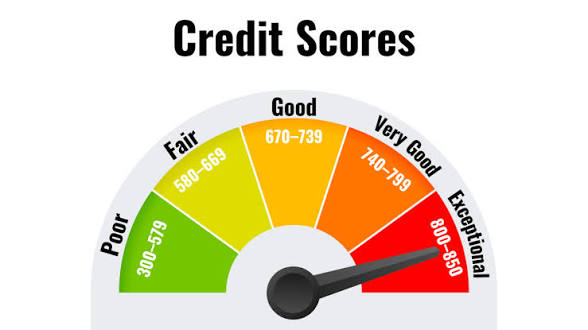
Lenders often pay attention to credit utilization, which measures how much available credit is currently being used. Someone consistently using most of their available credit may appear financially stretched, even if payments are made on time.
Keeping balances low creates several advantages. Interest costs remain manageable, credit scores often benefit, and financial flexibility improves. Lower balances also make it easier to handle unexpected expenses without creating additional debt problems.
5. Applying for Too Many Credit Cards Within a Short Period
Credit card promotions and reward programs can be tempting. Cashback offers, travel rewards, discounts, and sign-up bonuses encourage consumers to apply for new cards regularly.
Although opening an occasional new account may not cause major problems, submitting multiple applications within a short timeframe can create concerns. Numerous applications may lower credit scores temporarily and can make lenders question a borrower’s financial situation.
A more disciplined approach involves applying only when there is a genuine financial reason to do so. Quality usually delivers better results than quantity when it comes to managing credit accounts.
6. Ignoring Interest Rates When Choosing a Card
Many consumers focus entirely on rewards while paying little attention to borrowing costs.
Cashback percentages and promotional incentives may look attractive, but high interest rates can quickly erase those benefits if balances are carried from month to month. A card offering generous rewards may actually become expensive if debt accumulates.
Comparing interest rates, annual fees, repayment terms, and other charges provides a clearer picture of the card’s true cost. Financial decisions should always consider the full cost of borrowing rather than promotional marketing alone.
7. Taking Cash Advances Without Considering the Cost
Cash advances often appear to be a convenient solution during financial emergencies. Unfortunately, they are frequently among the most expensive forms of credit card borrowing.
Interest on cash advances may begin accumulating immediately, often at higher rates than regular purchases. Additional transaction fees can increase the total cost even further.
Many cardholders discover too late that a small cash withdrawal has become surprisingly expensive. Alternative options such as emergency savings or lower-cost borrowing methods are often more affordable.
8. Closing Credit Cards Without Evaluating the Impact
Paying off a credit card balance feels like a financial victory, and many people immediately close the account afterward. While that decision can make sense in certain situations, it is not always beneficial.
Closing a long-standing account may reduce available credit and increase overall utilization ratios. In some cases, it may also shorten the average age of a person’s credit history over time.
Before closing an account, it is worth considering how the decision could affect overall credit health. Maintaining older accounts responsibly can often provide long-term advantages.
9. Sharing Credit Card Information Carelessly
Financial losses do not always result from spending habits. Security mistakes can also create serious problems.
Using unsecured networks, sharing card details casually, responding to suspicious messages, or storing payment information on unreliable platforms can increase exposure to fraud. Once unauthorized transactions occur, resolving the issue may require considerable time and effort.
Monitoring account activity regularly and using strong security practices helps reduce the risk of fraud-related financial losses.
10. Treating Credit Limits as Spending Targets
One of the most damaging misconceptions about credit cards is assuming that an approved credit limit represents an amount that should be spent.
Lenders determine limits based on various factors, but approval does not automatically mean spending that amount is financially wise. A high limit should be viewed as available capacity rather than a spending goal.
People who consistently spend far below their limits generally maintain healthier finances and face less pressure when repayment time arrives. Financial discipline becomes much easier when credit is viewed as a tool rather than an invitation to spend.
11. Failing to Review Monthly Statements
Many cardholders glance at their balance and move on without examining the details of their statements.
This habit can allow billing errors, fraudulent transactions, duplicate charges, and forgotten subscriptions to continue unnoticed. Small charges repeated every month can quietly drain money for long periods before they are detected.
Reviewing statements carefully takes only a few minutes but can prevent unnecessary expenses and help maintain better control over personal finances.
12. Depending on Credit Cards During Every Financial Emergency
Credit cards can provide temporary relief during difficult periods, but relying on them repeatedly for emergencies often creates a dangerous cycle.
Without an emergency fund, every unexpected expense becomes a borrowing event. Over time, balances grow, interest accumulates, and financial pressure increases. What began as occasional emergency spending can gradually evolve into persistent debt.
Building even a modest emergency fund reduces dependence on credit and provides greater financial stability during unexpected situations.
Credit cards are neither good nor bad on their own. Their impact depends largely on how they are used. People who avoid these common mistakes often enjoy the convenience and flexibility of credit without falling into costly debt traps that can take years to escape.
ALSO READ: 7 Proven Ways to Clear Multiple Loan Apps in Nigeria Without Contact Harassment
Discover more from 9jaPolyTv
Subscribe to get the latest posts sent to your email.