ARTICLES
Foods Rich in Iron for Nigerians Living with Anemia
Foods Rich in Iron for Nigerians Living with Anemia
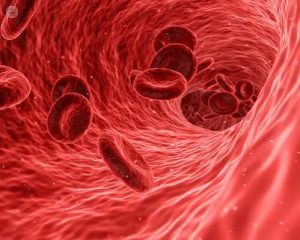
Anemia, especially iron-deficiency anemia, remains a major health concern in Nigeria. Many people rely heavily on carbohydrate-based diets that lack enough iron-rich foods, which makes them more vulnerable to low blood levels. While supplements help, natural food sources of iron are essential for long-term health. Eating the right foods not only restores energy but also prevents frequent fatigue and illness.
Types of Iron in Foods
There are two main types of iron found in food:
- Heme iron: Found in animal-based foods, easily absorbed by the body.
- Non-heme iron: Found in plant-based foods, less easily absorbed but still valuable, especially when combined with vitamin C sources.
Iron-Rich Foods Available in Nigeria
1. Red Meat
Beef and goat meat are excellent sources of heme iron. They are widely consumed in Nigeria and provide high amounts of absorbable iron. Including lean cuts of beef or goat meat in meals a few times a week can boost hemoglobin levels.
2. Chicken and Turkey
Poultry products also contain heme iron. Chicken gizzards and liver are particularly rich sources and are affordable in many Nigerian markets.
3. Fish and Seafood
Fish such as sardines, mackerel, and catfish provide both protein and iron. Crayfish and periwinkles, commonly used in Nigerian soups, are also good sources.
4. Liver and Organ Meats
Beef liver, goat liver, and kidney are some of the most concentrated sources of iron. They are especially useful for treating anemia but should be eaten in moderation due to high cholesterol.
5. Beans and Legumes
Beans, lentils, soybeans, and groundnuts are common in Nigerian diets and provide non-heme iron. Pairing them with foods rich in vitamin C, such as oranges or tomatoes, increases absorption.
6. Leafy Green Vegetables
Ugu (pumpkin leaves), spinach, bitter leaf, and moringa leaves are packed with iron and other essential nutrients. They are often used in soups like egusi, ogbono, or vegetable soup.
7. Fortified Foods
Many Nigerian cereals, bread, and infant foods are fortified with iron. These are especially important for children and pregnant women.
8. Nuts and Seeds
Cashews, sesame seeds, and sunflower seeds are healthy snacks that also contribute to iron intake. Adding them to meals or snacks supports better blood health.
9. Fruits
Although fruits are not the richest sources of iron, some like dried apricots, dates, and raisins contain small amounts. More importantly, vitamin C-rich fruits like oranges, pineapples, and guava help the body absorb plant-based iron better.
Nigerian Meals That Support Iron Intake
- Rice and beans served with vegetable sauce
- Yam porridge with ugu leaves and fish
- Moi-moi or akara made from beans
- Egusi soup with beef or goat meat
- Okra soup with crayfish and pumpkin leaves
These meals combine both plant and animal sources of iron, improving absorption.
Tips for Improving Iron Absorption
- Eat vitamin C-rich fruits alongside iron-rich meals.
- Avoid drinking tea, coffee, or excessive milk immediately after meals as they reduce iron absorption.
- Cook in cast iron pots when possible, as small amounts of iron can leach into food.
When to See a Doctor
Even with a balanced diet, some Nigerians may still struggle with anemia due to conditions like malaria, sickle cell disease, or chronic infections. Anyone who experiences extreme fatigue, frequent dizziness, or persistent paleness should seek medical advice for further tests and possible supplements.
aALSO READ: Best Supplements for Chronic Fatigue and Low Energy
Discover more from 9jaPolyTv
Subscribe to get the latest posts sent to your email.