ARTICLES
Natural Remedies for Chronic Knee Pain at Home
Natural Remedies for Chronic Knee Pain at Home
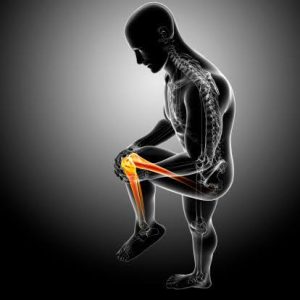
Knee pain is one of those health problems that creeps into daily life and refuses to let go. From struggling to bend down to feeling discomfort while walking, it can interfere with even the simplest activities. For many people, the pain becomes chronic—lingering for months or even years. While medication and surgery are sometimes necessary, many individuals are searching for natural remedies that can be tried at home to ease knee discomfort without heavy reliance on drugs.
There are simple, effective approaches you can use daily to reduce pain, improve mobility, and support long-term joint health. These remedies don’t require expensive equipment or complicated treatments—just consistency, patience, and commitment to a healthier lifestyle.
The Importance of Weight Management
One of the most overlooked natural remedies for chronic knee pain is maintaining a healthy weight. Every extra pound of body weight adds pressure to the knees, especially when walking or climbing stairs. Over time, this extra strain wears down cartilage and increases discomfort.
Losing even a modest amount of weight can make a noticeable difference. A balanced diet rich in whole foods, combined with regular physical activity, not only improves overall health but also reduces the burden on knee joints.
Cold and Heat Therapy
Applying cold packs and heat pads is one of the easiest home remedies for knee pain. Cold therapy reduces swelling and numbs sharp pain, making it especially useful after activity or during flare-ups. Heat therapy, on the other hand, relaxes stiff muscles and improves blood flow, which can ease chronic discomfort.
Alternating between cold and heat can be effective for many people. For instance, using ice for 15 minutes after exercise followed by a warm compress later in the day can help manage both inflammation and stiffness.
Gentle Exercise and Stretching
It may seem counterintuitive to move when your knees hurt, but gentle exercise is one of the best natural ways to improve joint health. Staying inactive only weakens muscles, which puts more stress on the knees. Low-impact activities such as walking, cycling, swimming, or yoga can strengthen the muscles around the knee and improve flexibility. Simple stretches, like gently extending and bending the leg, also prevent stiffness. The key is consistency—doing a little every day builds strength and keeps the joint functioning without worsening the pain.
Strengthening the Muscles Around the Knee
Strong muscles act as natural shock absorbers for the knees. Building strength in the quadriceps, hamstrings, and calves helps reduce strain on the joint itself. Exercises such as leg raises, wall sits, and step-ups can be done at home without any special equipment. Even bodyweight exercises performed regularly provide enough support to ease chronic knee discomfort over time.
Massage and Self-Myofascial Release
Massage therapy can help relieve knee pain by improving circulation, reducing tension, and promoting relaxation. At home, you can gently massage the area around the knee with warm oil to reduce stiffness. Foam rolling is another self-care technique that helps release tightness in the muscles surrounding the knee. By targeting the thighs and calves, you relieve pressure on the knee joint, which can reduce discomfort and improve mobility.
Herbal Remedies and Natural Anti-Inflammatories
Several herbs and natural ingredients have been studied for their ability to reduce inflammation and pain.
- Turmeric: Contains curcumin, a powerful anti-inflammatory compound that helps reduce joint pain.
- Ginger: Known for its ability to ease pain and stiffness, similar to some anti-inflammatory medications.
- Boswellia (Indian frankincense): Used for centuries to treat arthritis, it reduces inflammation in the joints.
These can be consumed in teas, capsules, or as part of meals. Consistency is key, as results often appear gradually rather than overnight.
Maintaining Good Posture and Movement Habits
The way you move and carry your body plays a role in knee pain. Poor posture, sitting too long, or standing with uneven weight distribution can all worsen chronic discomfort. Practicing proper body mechanics—such as bending from the hips instead of the knees, avoiding prolonged standing, and using supportive footwear—reduces unnecessary strain. Supportive shoes with cushioning are particularly helpful for people who spend long hours on their feet.
The Role of Diet in Knee Pain Relief
Food has a direct impact on inflammation, which makes diet a powerful natural remedy for joint pain. An anti-inflammatory diet that includes leafy greens, fatty fish, nuts, seeds, berries, and olive oil can help reduce knee discomfort. Avoiding processed foods, sugary snacks, and excessive refined carbohydrates prevents flare-ups and promotes healthier joints. Staying hydrated also keeps cartilage lubricated, improving knee mobility.
Mind-Body Techniques for Pain Management
Pain is not just physical—it is also influenced by the mind. Stress and anxiety can make pain feel worse, while relaxation techniques can help reduce discomfort. Practices such as meditation, deep breathing, and mindfulness calm the nervous system, making it easier to cope with chronic knee pain. Gentle yoga also combines stretching, strength, and relaxation, providing both physical and mental relief.
Home Remedies That Support Long-Term Relief
Some additional natural remedies for chronic knee pain include:
- Epsom salt baths: Magnesium in the salt may help relax muscles and ease discomfort.
- Essential oils: Oils like peppermint, eucalyptus, and lavender can be massaged into the knees for temporary relief.
- Acupressure mats: Used regularly, they may stimulate circulation and reduce tension in the lower body.
These remedies are not instant fixes, but when combined with diet, exercise, and posture care, they can make a real difference over time.
When to Seek Medical Advice
While natural remedies are highly effective for many people, it’s important to recognize when professional help is needed. If knee pain worsens, causes swelling, or interferes with daily life despite consistent self-care, consulting a healthcare provider is essential. Some underlying conditions, like torn ligaments or advanced arthritis, require more intensive treatment.
ALSO READ; Best Life Insurance for People with Chronic Health Conditions
Discover more from 9jaPolyTv
Subscribe to get the latest posts sent to your email.















 POLYTECHNIC NEWS18 hours ago
Osun State Polytechnic Matriculates 2025/2026 Part-Time Students
 POLYTECHNIC NEWS18 hours ago
Federal Polytechnic Ukana Introduces Online Application Portal for 2026 Recruitment Exercise
- POLYTECHNIC NEWS18 hours ago
Dr Ashinya Felicitates With Akperan Orshi Polytechnic Over 27th Matriculation Ceremony