
ARTICLES
19 High-Fiber, Gluten-Free Foods to Support a Healthy Gut
19 High-Fiber, Gluten-Free Foods to Support a Healthy Gut
Fiber is one of the most essential nutrients for overall health — yet many people don’t get enough of it in their daily diet. While whole grains are often seen as the go-to source, they contain gluten, which some people need to avoid. There’s a wide variety of naturally gluten-free foods that are rich in fiber and packed with additional nutrients.
From fresh fruits to legumes, seeds, and vegetables, here are 19 gluten-free, high-fiber options you can easily add to your meals and snacks.
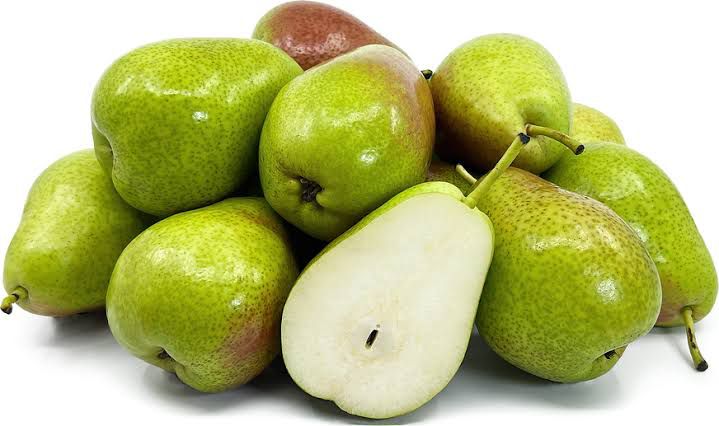
1. Pears – 6g per medium fruit
Sweet, juicy, and tender, pears provide about 20% of your daily fiber needs in just one serving. They also make a refreshing snack and pair well with salads or oatmeal. Apples are another great alternative, offering about 4g of fiber each.
2. Raspberries – 8g per cup
Raspberries are one of the highest whole-food sources of fiber, loaded with antioxidants and vitamin C. Keep them in your fridge for easy snacking — half a cup with breakfast and another half cup later in the day can significantly boost your fiber intake.
3. Figs – 5g per five fruits
With their naturally sweet flavor and rich color, figs are a delicious addition to yogurt, salads, or cheese platters. They’re also a good source of calcium and magnesium.
4. Lentils – 8g per half-cup (cooked)
Lentils are both a fiber powerhouse and an excellent source of plant-based protein. They also contain B vitamins, iron, magnesium, and potassium. Add them to soups, salads, or veggie burgers for a healthy fiber boost.
5. Quinoa – 2.5g per half-cup (cooked)
Technically a seed, quinoa offers fiber along with vitamin E and minerals that support bone health. It’s versatile enough to be enjoyed in salads, stir-fries, or as a side dish.
6. Black Beans – 8g per half-cup
Packed with fiber, protein, iron, and antioxidants, black beans are nutritious and budget-friendly. Swap them with other beans if you prefer — all beans are rich in fiber and plant-based protein.
7. Chickpeas – 6.5g per half-cup (canned)
Rich in resistant starch, chickpeas help with satiety and blood sugar control. They’re perfect in salads, stews, or blended into hummus for a tasty, fiber-filled snack.
8. Sweet Potatoes – 4g per medium potato (with skin)
Sweet potatoes not only provide fiber but are also rich in beta-carotene and vitamin C. Eat them baked or roasted with the skin on for maximum benefits.
9. Brussels Sprouts – 3g per half-cup (roasted)
These mini cabbages offer fiber, vitamin C, and plant compounds that may support heart health and help fight inflammation.
10. Green Peas – 4g per half-cup (cooked)
Peas are surprisingly high in both protein and fiber. They also provide vitamin K, folic acid, and antioxidants that promote eye health.
11. Carrots – 3.5g per cup (chopped)
Naturally sweet and kid-friendly, carrots are a great source of fiber, beta-carotene (vitamin A), and antioxidants.
12. Artichokes – 7g per medium vegetable (cooked)
Artichokes are among the top vegetables for fiber content. They also supply potassium, magnesium, folate, and vitamin C.
13. Brown Rice – 1.5g per half-cup (cooked)
Naturally gluten-free, brown rice is a versatile staple. Combine it with vegetables and protein for a more fiber-rich meal.
14. Oats – 4g per half-cup (dry)
Oats are gluten-free when labeled as such and provide both fiber and protein. They make a hearty breakfast or snack.
15. Popcorn – 3–4g per serving (air-popped)
A healthy, low-calorie snack, popcorn offers fiber in every crunchy bite.
16. Almonds – 4g per ounce
Almonds deliver both fiber and protein, plus vitamin E and magnesium. Enjoy them raw, roasted, or in nut butter form.
17. Pistachios – 3g per ounce
These green nuts are protein-rich and contain plant compounds with antioxidant benefits.
18. Pumpkin Seeds – 2g per ounce
Packed with magnesium, zinc, and calcium, pumpkin seeds are a nutritious way to add both protein and fiber to your diet.
19. Chia Seeds – 10g per two tablespoons
Chia seeds are one of the highest-fiber foods available. Use them in smoothies, sprinkle on yogurt, or make chia pudding for a filling snack.
Discover more from 9jaPolyTv
Subscribe to get the latest posts sent to your email.















 POLYTECHNIC NEWS7 hours ago
Federal Polytechnic Ukana Introduces Online Application Portal for 2026 Recruitment Exercise
 POLYTECHNIC NEWS6 hours ago
Osun State Polytechnic Matriculates 2025/2026 Part-Time Students
- POLYTECHNIC NEWS6 hours ago
Dr Ashinya Felicitates With Akperan Orshi Polytechnic Over 27th Matriculation Ceremony