ARTICLES
Smart Ways to Repay Loans Without Destroying Your Budget
Smart Ways to Repay Loans Without Destroying Your Budget
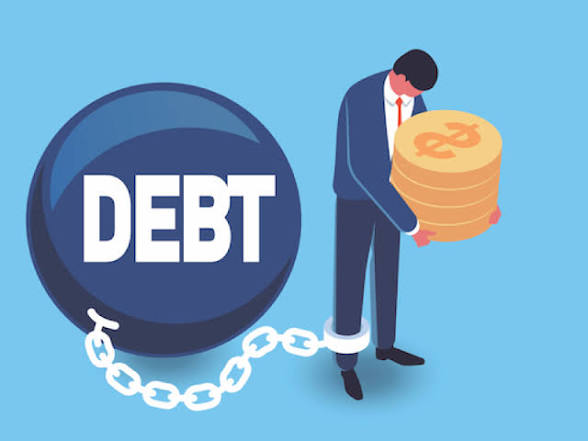
Loan repayment can easily take over your finances if it’s handled without structure. Many people start with good intentions, paying as much as they can, only to realize later that they’ve left nothing for basic living. That imbalance often leads straight back to borrowing again.
A junior staff member in Ikeja once used almost his entire salary to clear a loan quickly. Within two weeks, he had to take another loan just to feed and commute to work. The plan was aggressive, but it wasn’t sustainable. Repaying debt should bring relief, not push you into another cycle.
1. Protect Your Living Expenses First
Repayment should never come at the cost of survival. Food, rent, transport, and basic needs must remain intact, otherwise the pressure will force you back into borrowing.
Create a budget that clearly separates essential expenses from loan repayment. A supermarket attendant who once struggled with repayments adjusted her plan by securing her feeding and transport first before allocating funds to loans. That shift alone reduced her stress and stopped her from borrowing again mid-month.
Stability comes from balance, not sacrifice that can’t be maintained.
2. Set a Fixed, Realistic Repayment Amount
Paying “whatever is left” often leads to inconsistency. Some months you pay more, other months you pay nothing, and progress becomes unpredictable.
Choosing a fixed amount creates discipline and structure. A civil servant committed to paying ₦25,000 monthly regardless of other pressures. Even when the amount felt small compared to the total debt, consistency helped him steadily reduce his balance.
A steady approach works better than occasional large payments that disrupt your finances.
3. Align Repayments With Your Income Timing
Repayment becomes easier when it matches how you earn. Salary earners, freelancers, and business owners all have different income patterns.
A photographer who earns mostly on weekends adjusted his repayment schedule to match his cash inflow instead of forcing payments during low-income days. That simple adjustment reduced missed payments and penalties.
Matching repayment timing with income flow reduces pressure and improves consistency.
4. Focus Extra Money on Debt, Not Lifestyle Upgrades
Whenever extra cash comes in—bonuses, gifts, or side income—it can be tempting to spend it immediately. Redirecting that money toward loans speeds up repayment without affecting your regular budget.
A teacher who received a small bonus chose to apply it to one of her loans instead of upgrading her phone. That decision reduced her total debt faster than her monthly payments alone could achieve.
Small boosts can create noticeable progress when used wisely.
5. Reduce Interest Pressure Where Possible
High interest can slow down repayment even when you’re consistent. Looking for ways to reduce that burden can make a big difference.
This might involve negotiating better terms, refinancing, or prioritizing loans with higher rates. A trader noticed that one of his loans had a much higher interest rate than the others. By focusing extra payments on that loan, he reduced the overall cost of his debt.
Less interest means more of your money goes toward clearing the actual balance.
6. Avoid the Temptation to Rush Everything
Trying to clear all debts too quickly can backfire if it leaves you financially exposed. Aggressive repayment without a safety buffer often leads to new borrowing when unexpected expenses arise.
A driver once used all his savings to clear a loan, only to face a vehicle repair weeks later. Without any backup funds, he had to borrow again. That experience taught him to balance repayment with small savings.
Speed is useful, but sustainability keeps you out of trouble.
7. Track Your Progress to Stay Motivated
Debt repayment can feel slow, especially at the beginning. Without visible progress, it’s easy to lose motivation.
Keeping track of how much you’ve paid and how much is left can change that feeling. A student who wrote down every payment said seeing the numbers drop gave him confidence to keep going.
Progress may feel small at first, but it builds over time.
8. Limit Non-Essential Spending Without Feeling Restricted
Cutting out everything enjoyable can make repayment feel like punishment. That approach rarely lasts.
Instead, focus on reducing unnecessary spending while keeping a few affordable comforts. A young professional reduced frequent dining out but still allowed occasional low-cost outings. This balance helped her stay consistent without feeling deprived.
Sustainable habits always outperform extreme ones.
9. Use Windfalls to Clear Specific Debts
Unexpected money can be used strategically to eliminate entire loans. Clearing one debt completely reduces mental stress and frees up cash flow for others.
A small business owner used a large payment from a client to wipe out one of his loans entirely. That move reduced his monthly obligations and made the remaining debts easier to manage.
Targeted actions often create faster results than spreading money thinly.
10. Keep Your End Goal in Sight
Loan repayment is not just about clearing balances—it’s about regaining control of your income. Keeping that bigger picture in mind helps you stay disciplined.
A marketer who stayed focused on becoming debt-free said she constantly reminded herself that every payment brought her closer to financial freedom. That mindset kept her consistent even when progress felt slow.
Clarity of purpose makes discipline easier to maintain.
ALSO READ: How to Create a Monthly Budget That Actually Works
Discover more from 9jaPolyTv
Subscribe to get the latest posts sent to your email.