EDUCATION
HND to BSc Engineering Conversion Programs in Nigeria: Best Schools and Fees
HND to BSc Engineering Conversion Programs in Nigeria: Best Schools and Fees

Engineering graduates with HND qualifications are increasingly returning to school to obtain BSc degrees in Nigeria. Many employers, multinational companies, oil and gas firms, and government agencies now prefer bachelor’s degree holders for promotion, management roles, and international projects. This growing demand has pushed several Nigerian universities to introduce HND to BSc engineering conversion programs.
Polytechnic graduates in mechanical engineering, civil engineering, electrical engineering, computer engineering, and chemical engineering now have more opportunities to upgrade academically without starting from 100 level again. Several conversion programs also offer flexible schedules that allow working professionals to continue earning while studying.
Competition within Nigeria’s engineering sector keeps rising yearly. Engineers with university degrees often enjoy wider opportunities in project management, postgraduate admission, and foreign employment. This article explains the best HND to BSc engineering conversion programs in Nigeria for 2026, including admission requirements, tuition fees, duration, and practical application advice.
What Is an HND to BSc Engineering Conversion Program?
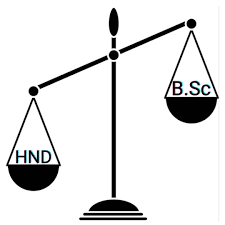
An HND to BSc engineering conversion program allows Higher National Diploma holders to earn a university bachelor’s degree in engineering through advanced placement admission.
Instead of restarting from year one, universities evaluate previous engineering coursework and practical experience before placing students into advanced levels. Many programs last between 18 months and three years depending on the institution and specialization.
Graduates receive Bachelor of Science or Bachelor of Engineering degrees after completing academic requirements. These qualifications can later support COREN registration, postgraduate studies, and international engineering opportunities.
Reasons Engineering Graduates Are Upgrading to BSc
Many Nigerian employers still place BSc holders above HND graduates during recruitment and promotion exercises. Degree conversion programs help reduce that gap and improve competitiveness.
Another reason is international career mobility. Foreign employers and licensing bodies often favor university-trained engineers during credential assessments.
Postgraduate education also motivates many applicants. Engineering graduates with BSc qualifications become eligible for MSc, MBA, and professional engineering certifications locally and abroad.
Salary progression continues attracting polytechnic graduates as well. Engineers with bachelor’s degrees frequently qualify for better-paying supervisory and technical roles.
Admission Requirements for Engineering Conversion Programs
Most universities require applicants to possess a recognized HND qualification in a related engineering discipline. Lower Credit usually remains the minimum accepted grade, although some schools prefer Upper Credit.
Applicants commonly submit academic transcripts, HND certificates, O’Level results, NYSC certificates, and identification documents. Certain institutions may conduct screening tests or interviews before admission.
Engineering field alignment remains important during admission reviews. Mechanical engineering graduates are generally expected to apply for mechanical-related programs instead of unrelated disciplines.
Professional certifications and engineering work experience can improve admission chances greatly.
Best Universities Offering HND to BSc Engineering Conversion in Nigeria
Federal University Oye-Ekiti (FUOYE)
Federal University Oye-Ekiti has expanded opportunities for HND holders through its conversion pathway programs. The institution recently announced conversion opportunities designed specifically for polytechnic graduates seeking BSc qualifications.
Engineering-related fields available through affiliated centers continue attracting many applicants from across Nigeria. Flexible study arrangements and federal university recognition remain major advantages.
Applicants studying through FUOYE conversion programs also benefit from lower tuition compared to many private universities.
Delta State University of Science and Technology (DSUST), Ozoro
DSUST Ozoro offers intensive HND to BSc conversion opportunities in several engineering fields including civil engineering, mechanical engineering, petroleum engineering, agricultural engineering, and computer engineering.
The university has become increasingly popular among engineering graduates seeking specialized technical programs. Practical learning environments and engineering laboratories support hands-on training.
Applicants from southern Nigeria often choose DSUST because of proximity and engineering-focused academic structures.
Dominican University Ibadan
Dominican University provides HND to BSc conversion programs in technology and science-related fields. Published fee schedules show structured tuition systems for conversion students.
Students benefit from organized academic calendars and moderate class sizes. Ibadan’s relatively affordable living costs also help reduce financial pressure compared to Lagos-based institutions.
Flexible payment arrangements attract many working professionals into the program yearly.
Trinity University Lagos
Trinity University offers conversion programs designed for HND holders and professionals seeking university degrees. The institution promotes flexible study pathways for engineering and management-related disciplines.
Location advantages in Lagos provide students access to industries, engineering firms, and internship opportunities during study periods.
Working engineers often prefer Lagos institutions because of networking opportunities within Nigeria’s commercial sector.
Southwestern University Nigeria
Southwestern University offers HND conversion opportunities in engineering and related technical disciplines. Admission policies favor applicants with recognized HND qualifications and relevant academic backgrounds.
The institution remains attractive for students seeking private university flexibility and smaller learning environments.
Engineering students also benefit from structured practical sessions and technical coursework.
Auchi Polytechnic and Federal University Lokoja Partnership
Auchi Polytechnic and Federal University Lokoja jointly offer degree conversion pathways for HND holders across several technical and science-related fields. The conversion structure lasts about 18 months for qualified candidates.
Applicants with Lower Credit and relevant qualifications remain eligible for consideration. Flexible conversion structures attract many polytechnic graduates yearly.
The partnership model also helps students access university degrees while maintaining connections with polytechnic environments.
Popular Engineering Courses Available for Conversion
Mechanical engineering remains one of the most popular conversion fields because of opportunities in manufacturing, construction, and energy industries.
Civil engineering also attracts many applicants due to Nigeria’s expanding infrastructure and construction sectors.
Electrical and electronics engineering programs continue growing in demand because of telecommunications, renewable energy, and automation industries.
Computer engineering and software-related engineering fields are becoming increasingly attractive because of technology-driven career opportunities and remote work potential.
Petroleum and chemical engineering programs still attract applicants interested in oil and gas careers despite industry competition.
Tuition Fees for Engineering Conversion Programs in Nigeria
Tuition fees vary depending on the institution and engineering specialization. Federal universities generally remain more affordable than private universities.
Many engineering conversion programs charge between ₦150,000 and ₦1.5 million annually. Laboratory-intensive disciplines often involve higher costs because of technical facilities and practical requirements.
Additional expenses may include laboratory fees, departmental dues, engineering workshop charges, accommodation, textbooks, and project costs.
Applicants should always verify updated tuition schedules directly from institutions before applying.
Duration of Engineering Conversion Programs
Most engineering conversion programs last between 18 months and three years depending on admission placement and institutional structure.
Applicants with strong academic backgrounds and closely related HND qualifications may receive advanced placement into higher levels.
Weekend and part-time options can sometimes extend completion periods slightly because of flexible academic scheduling.
Step-by-Step Process to Apply
Applicants should first confirm that the institution offers conversion opportunities in their engineering specialization. Admission requirements should then be reviewed carefully.
Academic transcripts should be requested early from previous institutions because delays frequently affect application timelines.
Online applications usually require uploading certificates, identification documents, passport photographs, and academic records.
Applicants invited for screening exercises should prepare for technical questions related to their engineering field and academic background.
Challenges Engineering Students Face During Conversion
Balancing work with academic activities remains difficult for many engineering professionals. Project deadlines and technical assignments can become demanding.
Financial pressure also affects some students because engineering programs involve practical fees and technical materials.
Limited laboratory equipment in certain institutions may reduce practical exposure for students in some disciplines.
Academic adjustment can also become challenging for applicants who have spent several years away from formal education.
Career Opportunities After Engineering Conversion
Graduates with BSc engineering qualifications gain wider access to engineering firms, construction companies, energy organizations, telecommunications companies, and manufacturing industries.
Bachelor’s degree holders also qualify more easily for management trainee programs and supervisory engineering positions.
International employment opportunities improve greatly after degree conversion, especially for engineers planning relocation abroad.
Graduates can also pursue postgraduate degrees, COREN registration, and professional engineering certifications more competitively.
Tips to Improve Admission Chances
Applicants should ensure their HND field aligns closely with the intended engineering specialization. Academic mismatch often reduces approval chances.
Strong professional experience can improve competitiveness during admission reviews. Engineering work history demonstrates practical competence and career commitment.
Early applications increase chances because engineering conversion spaces often fill quickly.
Applicants should also confirm accreditation status before applying. Accredited engineering programs provide stronger professional recognition after graduation.
Discover more from 9jaPolyTv
Subscribe to get the latest posts sent to your email.




















 ARTICLES14 hours ago
Top Accredited Universities Offering HND to BSc Conversion in Nigeria 2026
 EDUCATION15 hours ago
Best HND to BSc Degree Conversion Programs in Nigeria 2026 (Accredited Universities & Fees)
- EDUCATION14 hours ago
One-Year HND to BSc Degree Conversion Programs in Nigeria 2026
 EDUCATION14 hours ago
Federal Universities Offering HND to BSc Conversion Programs in Nigeria 2026
 EDUCATION15 hours ago
Cheap HND to BSc Conversion Universities in Nigeria 2026 for Working-Class Students
- EDUCATION14 hours ago
Online HND to BSc Degree Conversion Programs in Nigeria You Can Apply for in 2026
- EDUCATION14 hours ago
Lead City University HND to BSc Conversion Program 2026 Requirements
- EDUCATION14 hours ago
HND to Bachelor Degree Conversion Abroad for Nigerians: UK, Canada & USA Guide